
Understanding Patch Panels: A Complete Guide to Cat6 and Cat6A Patch Panels
What is a Patch Panel?
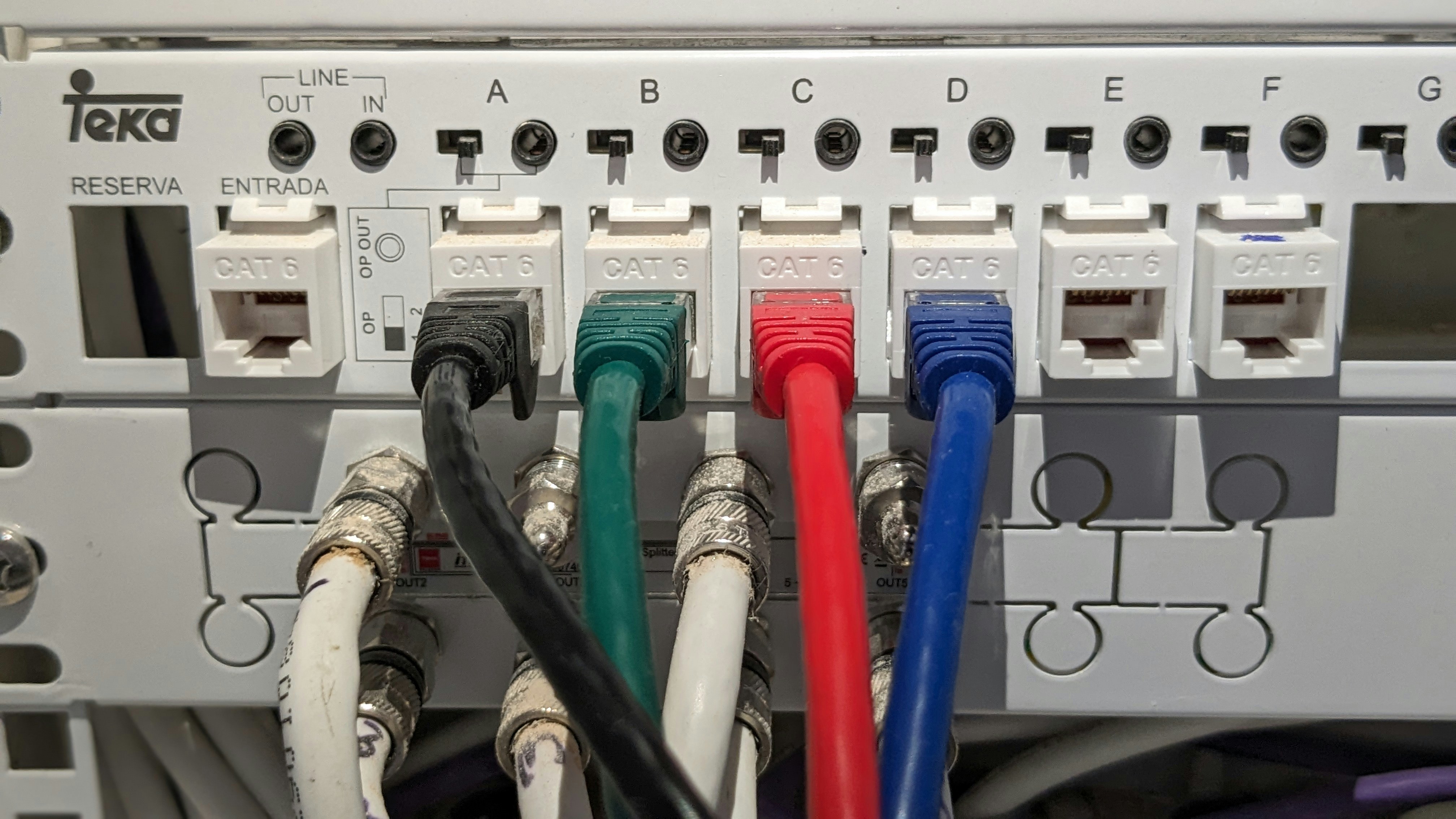
A patch panel is a critical component in networking that serves as a central point for managing and organizing network cables. Typically found in data centers, telecommunication rooms, and wiring closets, a patch panel allows for the connection of various network devices, such as switches, routers, and servers, thus facilitating seamless communication within a network infrastructure.
The primary function of a patch panel is to provide a structured environment to route and manage network cables. These panels feature multiple ports where network cables can be connected on one side and linked to different devices on the other. This configuration not only simplifies the organization of network cables but also aids in troubleshooting and maintenance. Instead of having multiple connections scattered throughout a room, a patch panel centralizes these connections, making it easier for network administrators to identify and resolve issues.
Furthermore, utilizing patch panels enhances the overall functionality of a network by enabling quick changes to be made without significant downtime. When modifications are necessary, such as adding new devices or altering existing connections, network administrators can simply reroute the cables at the patch panel rather than having to reconfigure the entire layout of the network. This adaptability is particularly beneficial in environments with frequently changing networking requirements.
Patch panels are available in various configurations, including Cat6 and Cat6A models, which support different bandwidths and transmission speeds. The choice between these types typically depends on the specific needs of the network infrastructure. Overall, patch panels play an essential role in optimizing network performance and ensuring efficient communication between devices.
Types of Patch Panels
Patch panels serve as a critical component in network setups, providing organization and flexibility for wiring connections. When discussing patch panels, particularly in the context of Cat6 and Cat6A cables, it’s important to recognize the different types available that cater to varying needs.
Primarily, patch panels can be segmented into two categories: unshielded and shielded. Unshielded patch panels are commonly used for standard applications where electromagnetic interference is minimal. In contrast, shielded patch panels incorporate shielding that protects signals from external interference, making them a suitable choice for environments with high RF interference or where optimal performance is a priority.
Within these categories, Cat6 patch panels are designed to handle high-speed data transmission, supporting gigabit Ethernet networks. They are typically utilized in residential and small office setups, offering a balance of performance and cost-effectiveness. Cat6A patch panels, on the other hand, can support even higher bandwidths and are designed for 10-gigabit Ethernet networks, providing superior transmission speeds and enhanced distance ranges. Choosing between Cat6 and Cat6A patch panels depends primarily on the specific network requirements, future scalability, and budget considerations.
Additionally, there are also modular and loaded patch panels. Modular panels allow for interchangeability of ports, offering customization aligned with evolving technological advancements. Loaded patch panels, however, come pre-terminated with a fixed number of ports, which can accelerate deployment times but limit flexibility. Both types provide distinct advantages depending on network design preferences, installation ease, and maintenance needs.
In selecting the right patch panel, understanding the differences in types, like those between Cat6 and Cat6A options, helps network administrators optimize their infrastructure for both current and future demands.

Understanding Cat6 Patch Panels
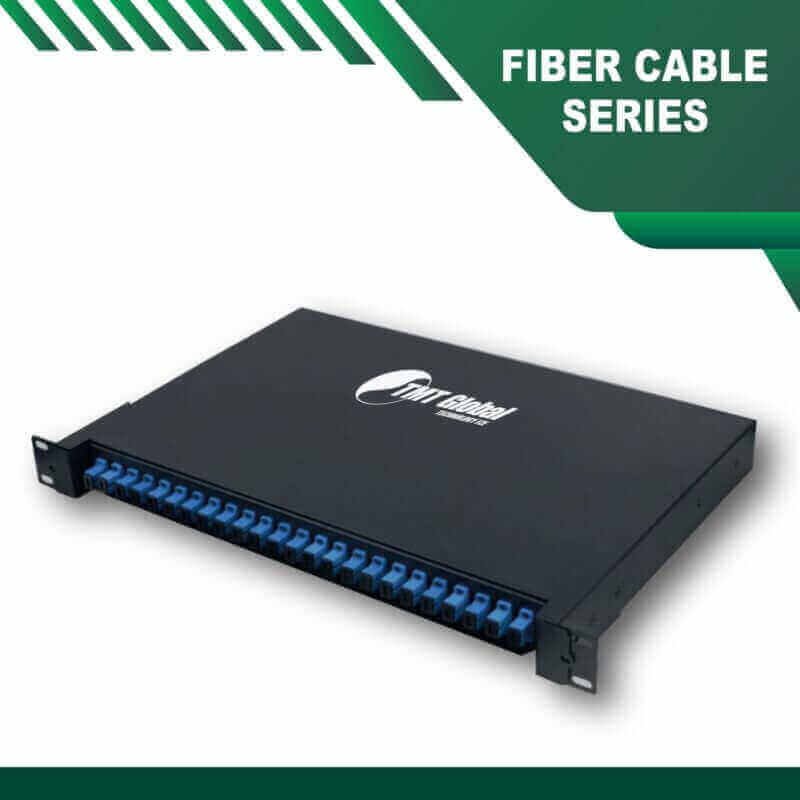
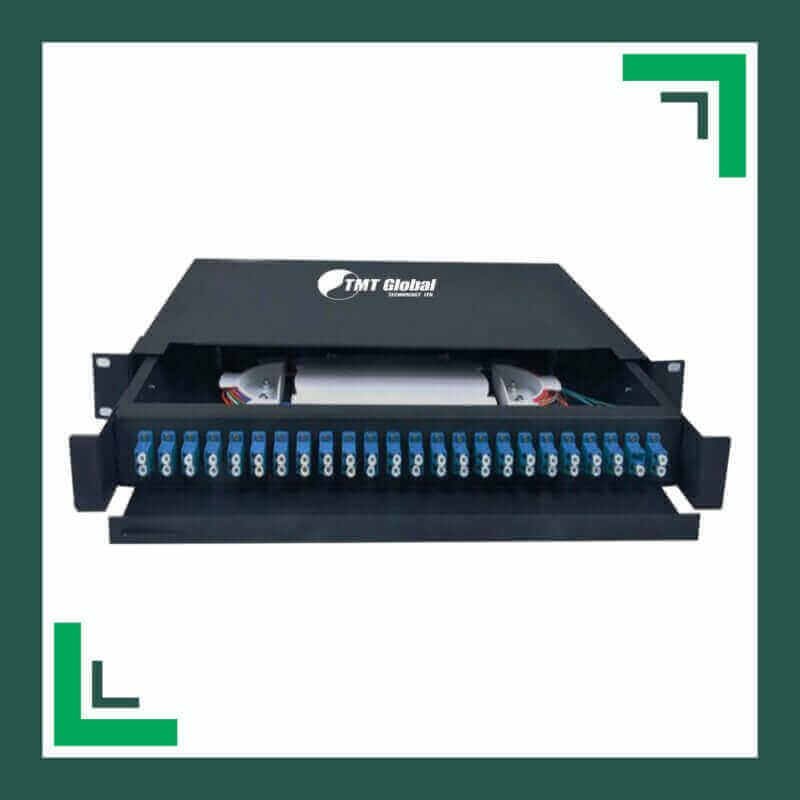
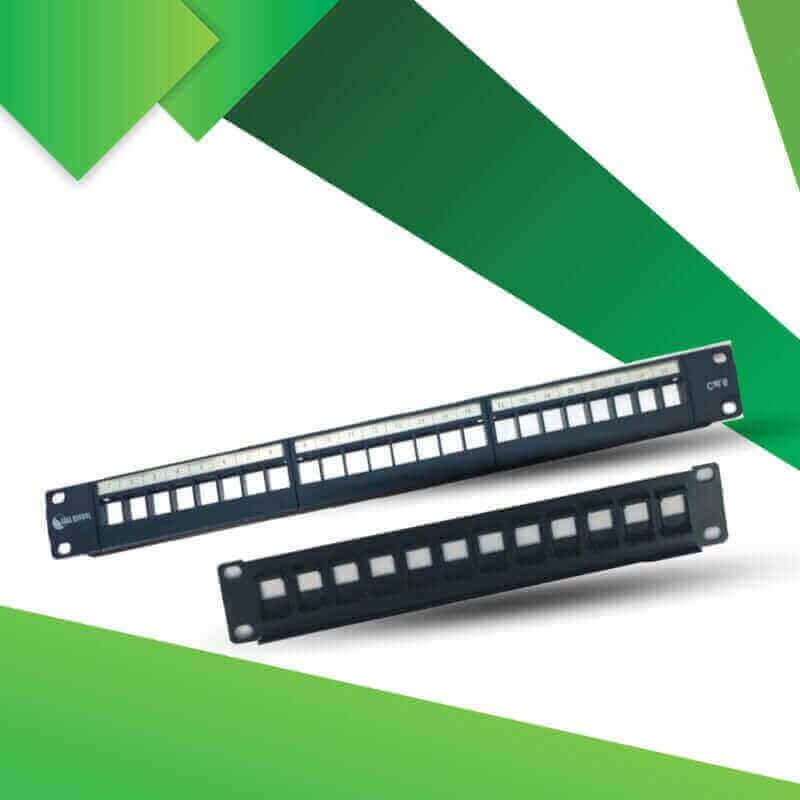
Cat6 patch panels play a crucial role in modern networking environments, providing a reliable and organized means to connect and manage Cat6 cabling systems. These panels are specifically designed to support high-performance networking, handling data transmission speeds up to 10 Gbps over a distance of 55 meters, and offer a maximum bandwidth of 250 MHz. This makes them an ideal choice for businesses and home networks that require robust and efficient data handling.
The specifications of Cat6 patch panels include 24 or 48 ports, allowing users to connect multiple devices without compromising the quality of the signal. These panels utilize an unshielded twisted pair (UTP) or shielded twisted pair (STP) configuration, contributing to their ability to minimize crosstalk and maintain high transmission speeds. The choice between UTP and STP can influence the overall performance, especially in environments prone to electromagnetic interference.
Choosing a Cat6 patch panel is often dictated by the specific networking needs of an organization. For instance, if a network requires high-speed connections for bandwidth-intensive applications such as video conferencing or large data transfers, a Cat6 solution is preferable due to its enhanced performance capabilities. Furthermore, the modular nature of patch panels allows for easy reconfiguration and management of network connections, which is vital in dynamic operational settings.
In summary, Cat6 patch panels are a cornerstone in efficient network design, providing significant advantages in speed and bandwidth. Their compatibility with a variety of networking applications makes them a versatile option for both commercial and residential uses, effectively meeting the demands of contemporary data transmission requirements.
Understanding Cat6A Patch Panels
Cat6A patch panels represent an important advancement in networking technology, particularly for environments requiring enhanced data transmission capabilities. These patch panels are designed to support the Cat6A cabling standard, which offers significant improvements in terms of performance and reliability compared to its predecessor, Cat6. One of the primary distinctions of Cat6A patch panels is their ability to handle higher bandwidths of up to 10 Gbps over a maximum distance of 100 meters. This capability makes them particularly suitable for high-demand applications, including data centers, enterprise networks, and multimedia setups.
A notable feature of Cat6A patch panels is enhanced shielding. They are commonly equipped with a shielded design, which significantly reduces crosstalk and interference—common issues that can degrade signal quality. This shielding ensures a more stable connection, making Cat6A patch panels ideal for transmitting data-intensive applications such as video conferencing, cloud computing, and large data transfers without compromising performance.
Moreover, Cat6A patch panels are constructed to accommodate the growing demands of modern networking environments. Their robust design supports a higher density of ports, allowing for greater flexibility in cable management and installation. This feature is essential for organizations looking to optimize their networking infrastructure, as it helps maintain organization and accessibility within server rooms and networking closets.
In addition to their technical specifications, Cat6A patch panels also contribute to future-proofing network systems. As technology evolves and data transmission requirements increase, incorporating Cat6A components ensures that networks remain capable of handling new standards and emerging technologies. Thus, investing in Cat6A patch panels can provide businesses with long-term advantages in performance and reliability.
24 Port vs. 48 Port Patch Panel
When it comes to network organization, selecting the appropriate patch panel is paramount, especially when focusing on either 24 port or 48 port patch panels. Each type has its distinct advantages and drawbacks that cater to different networking needs and scenarios.
The 24 port patch panel is often seen as an optimal solution for smaller installations, including home networks or small to medium-sized offices. Its compact nature allows for an efficient use of space, which is a significant advantage in environments where physical space is limited. Installation tends to be more straightforward due to fewer connections, which can also reduce the potential for cable management complexities. Furthermore, a 24 port patch panel can still provide ample networking solutions for users who do not anticipate significant scalability requirements in the near future.
However, the primary drawback of a 24 port patch panel lies in its limited capacity. As businesses grow or expand, they may require a more extensive network setup, which could lead to the need for additional equipment and more complex installations down the line.
On the other hand, the 48 port patch panel presents advantages in scalability, allowing for larger networks and accommodating the demands of a growing organization. This type of patch panel can support a higher number of connections and is well-suited for data centers, larger offices, or environments that anticipate a considerable increase in networking devices. While the installation process may be more challenging due to the larger number of ports and cabling, many consider this type to be a worthwhile investment in future-proofing their network infrastructure.
Ultimately, the choice between a 24 port and 48 port patch panel greatly hinges on the specific requirements and future scalability plans of an organization. Each type is tailored for different use case scenarios, necessitating careful consideration to select the right patch panel that aligns with both current and future networking needs.
Wiring a Patch Panel: A Step-by-Step Guide
Wiring a patch panel, especially for Cat6 and Cat6A cables, is a fundamental skill for network setup and management. To begin the process, you will need the right tools and materials, ensuring efficiency and safety in your work. The essential items include a patch panel, Ethernet cables (Cat6 or Cat6A), wire cutters, crimping tools, a punch-down tool, and RJ45 connectors. Having a cable tester handy will also assist in verifying connections.
When preparing to wire a patch panel, it is crucial to adhere to best practices. Start by ensuring your workspace is organized and free from clutter, as this will help in maintaining focus and preventing accidents. Always wear safety gear, such as gloves and goggles, as a precaution against any potential hazards.
The wiring process involves several steps. First, ensure that the patch panel is securely mounted in a rack or enclosure. Next, measure and cut the Ethernet cables to your desired length. This ensures minimal clutter and makes future troubleshooting easier. Strip the ends of each cable to expose the individual wires without damaging them. You will notice that each cable consists of four twisted pairs, and it is essential to follow the T568A or T568B wiring standard consistently throughout your connections.
Using the punch-down tool, insert the stripped wires into the corresponding slots on the back of the patch panel, ensuring each wire is fully seated to make a solid connection. After securing the wires, you can organize the cables neatly, minimizing tangles and ensuring ease of management. Once all connections are made, utilize your cable tester to verify that each cable is functioning properly, checking for continuity and proper pinouts.
Adhering to these steps will facilitate a successful patch panel setup, ensuring reliability in your network connection. Proper organization and verification can prevent future issues, contributing to an efficient networking environment.
Benefits of Using a Patch Panels in Your Network
Installing a patch panel in your network provides numerous advantages, significantly enhancing the efficiency and functionality of your system. One of the primary benefits is improved organization. A patch panel serves as a centralized point where all network cables can be managed. This centralization allows for a tidy setup, helping to avoid the chaos of tangled cables that can make maintenance both challenging and time-consuming.
Another significant benefit is the ease of troubleshooting. When issues arise within a network, identifying the source of the problem is crucial. A patch panel facilitates this process by allowing network administrators to quickly trace connections. By simplifying the identification of which cable relates to which device, patch panels expedite repairs and minimize downtime.
Scalability is another strong point in favor of patch panels. As network demands grow, it is essential to have a system that can efficiently accommodate additional connections without requiring extensive rewiring. Patch panels make this process simple, enabling the integration of new devices seamlessly. Users can easily add or rearrange cables as needed, which is particularly beneficial in dynamic environments that require frequent updates.
Furthermore, patch panels enhance the management of network connections. They provide a clear and organized layout of connections, allowing for easy identification and modification. This clarity aids in performance monitoring and connection management, ensuring a more stable and reliable network environment.
In contrast to direct connections, using a patch panel not only adds flexibility but also significantly reduces the risk of disruption to the overall network. Thus, incorporating a patch panel within your network infrastructure proves to be a wise decision for anyone looking to improve organizational efficiency, troubleshooting capabilities, scalability, and management of their network connections.
Common Mistakes to Avoid When Using Patch Panels
Patch panels serve as critical components in structured cabling systems, facilitating organized connectivity for networking setups. However, users often encounter several common pitfalls that can hinder the effectiveness of these setups. Understanding these mistakes is vital for both novice and experienced network managers aiming to optimize their infrastructure.
One prevalent error is improper wiring techniques. Using incorrect wiring standards, such as T568A or T568B, can lead to cross-talk and other connectivity issues. It is essential to ensure that all cables conform to the same standard throughout the installation. Pay careful attention to the color coding of the wires, as a small mistake can significantly impact performance.
Another frequent oversight involves neglecting to label cables appropriately. Failing to label connections at both ends can lead to confusion during troubleshooting and maintenance. Clear labeling simplifies the process of identifying and managing each cable’s function, which is particularly beneficial in complex environments where numerous connections are involved. Additionally, when modifications are needed, accurate labels can save time and reduce the risk of errors.
Scalability is often overlooked during the initial installation phase. Many users neglect to consider future expansion needs when configuring their patch panels. Without planning for scalability, organizations may find themselves facing challenges when adding new lines or equipment. Adequate space within the patch panel and thoughtful design can accommodate growth and changes in network demands without necessitating extensive reworking of the setup.
By being aware of these common mistakes—improper wiring techniques, neglecting to label cables, and ignoring future scalability—users can improve their network organization and reduce potential downtime. Careful planning and execution will result in a more reliable and efficient patch panel setup.
Conclusion and Best Practices for Patch Panel Use
In conclusion, an understanding of patch panels, particularly Cat6 and Cat6A models, is crucial for anyone involved in network infrastructure. These devices serve as central connection points in network setups, significantly enhancing organization and performance. By selecting the correct patch panel type—be it Cat6, which is suitable for most standard networking tasks, or Cat6A, designed for high-bandwidth applications—users can ensure their networks remain efficient and scalable.
There are several best practices that can enhance the effectiveness of patch panels. First and foremost, it is essential to ensure that the patch panel is compatible with existing network components. This compatibility extends not only to the cables but also to data transmission standards and potential future upgrades. Regularly reviewing the performance metrics of your network can help determine if a different patch panel might better serve your needs.
Additionally, proper cable management is vital. Using labeled cables and neatly arranged connections can prevent confusion and damage, facilitating easier troubleshooting and maintenance. Employing cable ties or sleeves can help maintain order and prevent tangling. Free airflow around your patch panel can also reduce overheating risks, which is critical for maintaining optimal performance.
Finally, it is advisable to keep documentation of your network layout, including patch panel connections, for more straightforward management and future alterations. As networks evolve, being prepared to adapt your patch panel setup will ensure alignment with expanding needs and technological advancements.