
Understanding S/FTP, F/FTP, and F/UTP Cable Types: A Comprehensive Guide
Introduction to Shielded Twisted Pair (STP) Cables
Shielded Twisted Pair (STP) cables are an essential component in modern telecommunications and networking systems. They are specifically designed to reduce electromagnetic interference and crosstalk from adjacent pairs, which can degrade the quality of data transmission. This shielding is particularly vital in environments with high levels of electrical noise, such as industrial settings or areas with dense networking equipment. By utilizing STP cables, organizations can ensure clearer signals and improved overall performance.
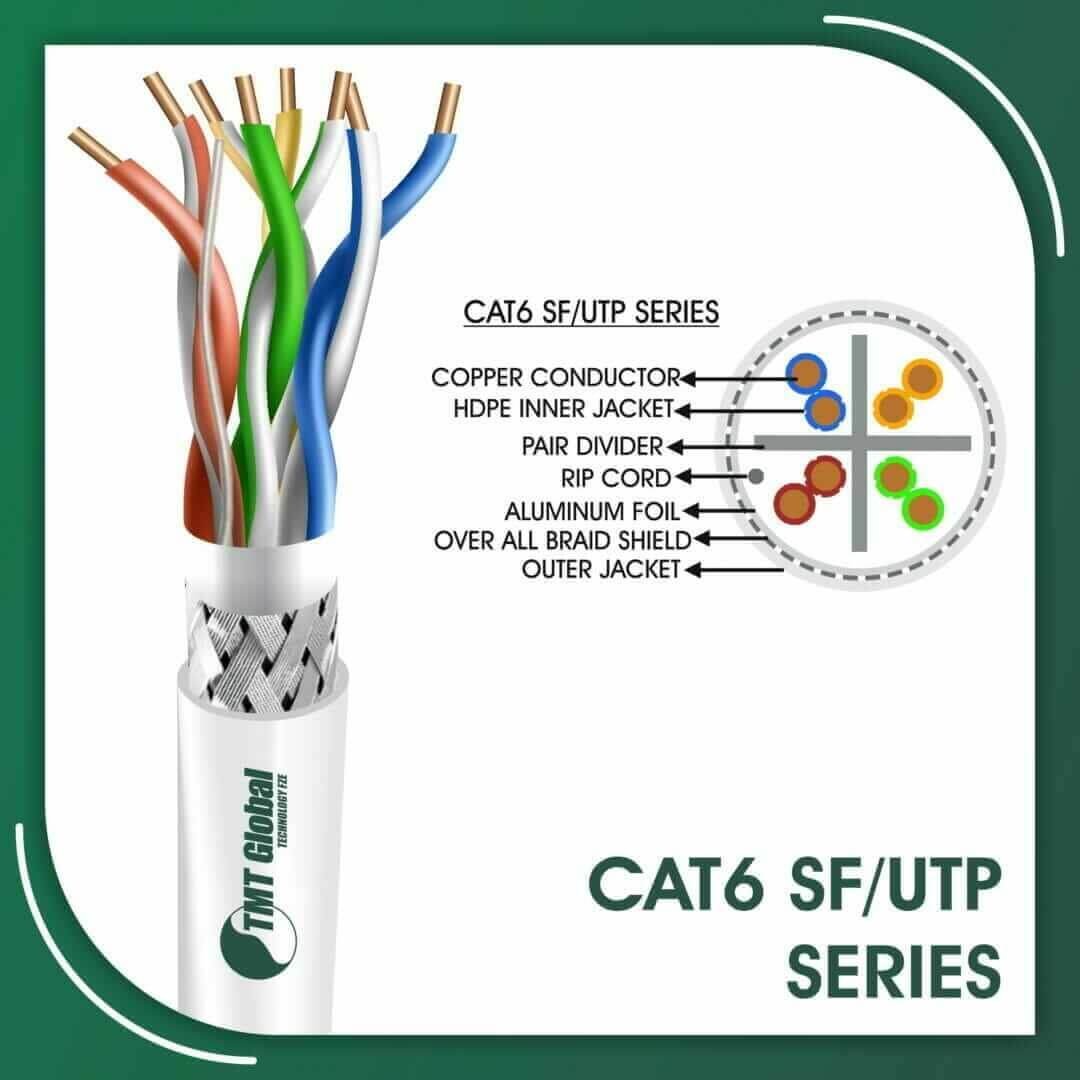
The construction of STP cables involves the pairing of copper wires that are twisted together. This twisting not only minimizes interference but also enhances the cable’s resistance to external electrical noise. The shielding around the pairs, which can be foil or braided metal, further protects the data signals, making STP cables a robust choice for high-speed data applications.
STP cables come in various configurations, such as Shielded Foiled Twisted Pair (S/FTP), Foiled Twisted Pair (F/TP), and Foil Unshielded Twisted Pair (F/UTP). Each type offers different levels of protection based on the shielding method employed, catering to diverse networking needs. For instance, S/FTP cables possess both shielding for individual pairs and an overall shield, making them ideal for demanding environments where data integrity is critical. Conversely, F/UTP cables provide a simpler shielding method that suffices in less noisy situations.
Applications of STP cables are widespread, spanning from local area networks (LANs) in offices to telecommunication systems and data centers. Their ability to provide reliable performance amid interference makes them a favored choice among network engineers. Understanding the distinctions between these cable types not only aids in selecting the right solution for a specific application but also enhances the effectiveness of a network’s infrastructure, ensuring operational efficiency and reliability.
What is S/FTP Cable?
S/FTP stands for Shielded Foil Twisted Pair, a type of networking cable that is designed to provide enhanced protection against electromagnetic interference (EMI) and crosstalk. The S/FTP cable is constructed with unique features that set it apart from other twisted pair cables, specifically designed for environments where electromagnetic noise is a concern.
The construction of S/FTP cables involves individual shielding for each twisted pair, along with an overall outer shield. The individual shielding typically consists of a layer of foil which encases each pair of wires. This construction effectively minimizes external interference that can disrupt data transmission, making it a reliable choice for high-speed networking.
Additionally, the overall shielding surrounding the entire group of twisted pairs further contributes to reducing the impact of EMI from sources such as electrical equipment, fluorescent lights, and other nearby cabling. This dual shielding mechanism not only keeps the signals intact but also maximizes data transmission reliability, a critical factor in high-performance applications such as data centers and enterprise installations.
Furthermore, S/FTP cables are typically utilized in environments where bandwidth requirements are significantly high, supporting data rates that may exceed 10 Gbps. By maintaining a clean signal and reducing noise, these cables facilitate the uninterrupted flow of data, ensuring high-quality connectivity for various applications, including video conferencing, streaming, and large data transfers.
In summary, the S/FTP cable is an excellent solution for those who require a robust and reliable network infrastructure, especially in challenging environments prone to EMI. Its unique construction allows for improved performance and stability, making it a preferred choice for many networking professionals.
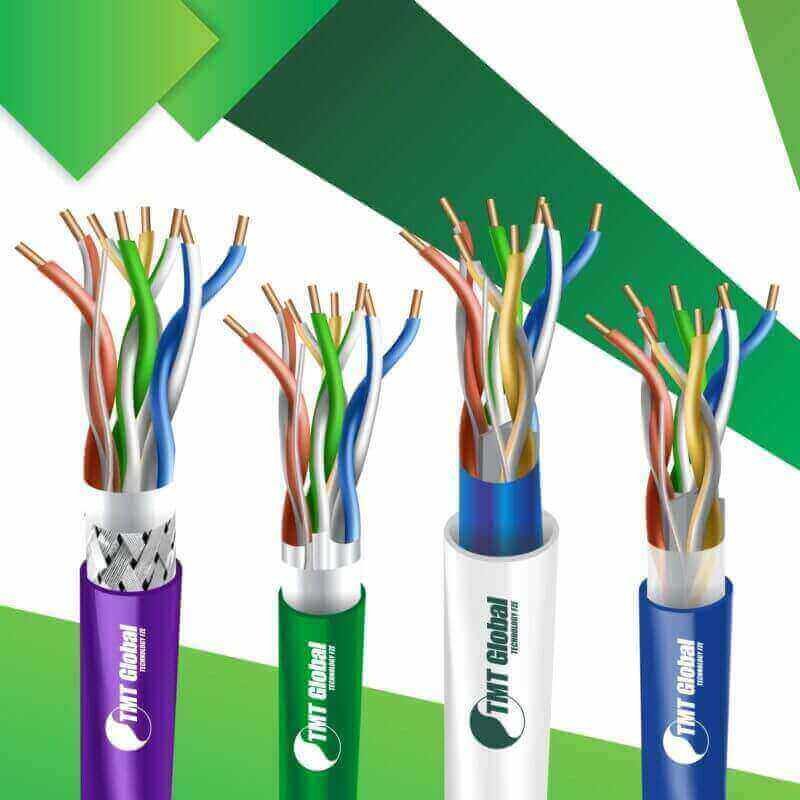
The Properties and Advantages of S/FTP Cables
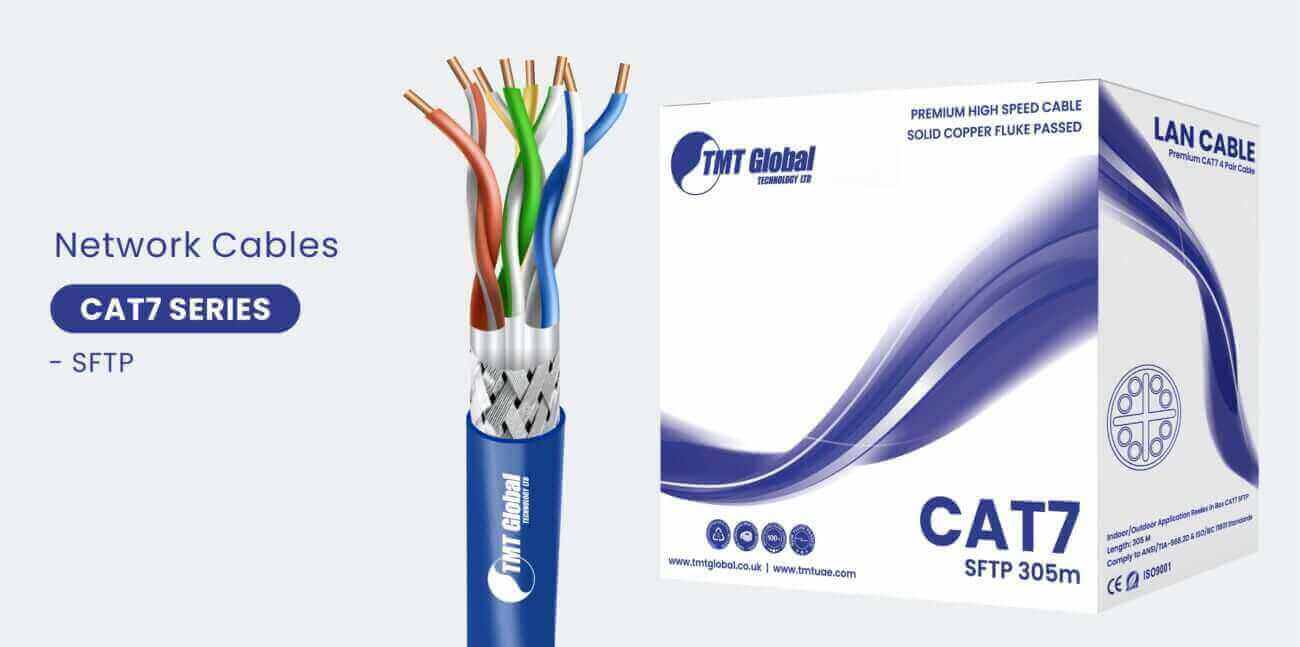
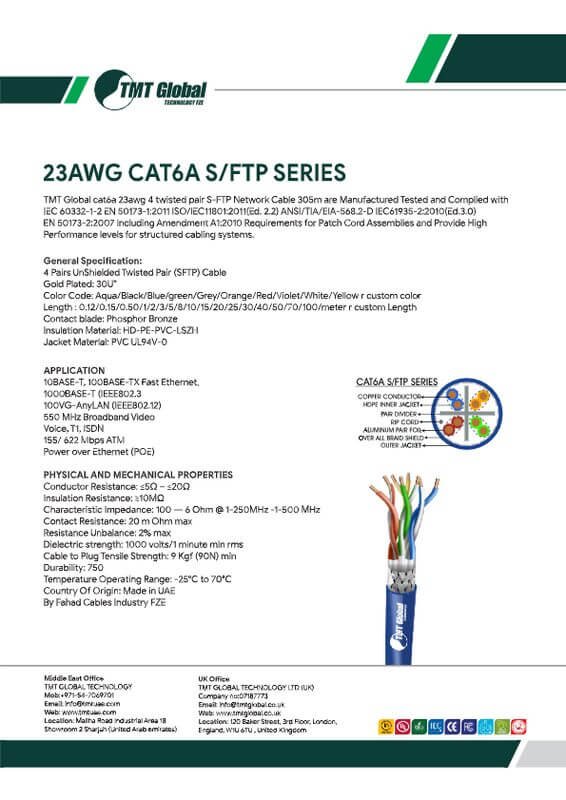
S/FTP cables, or Shielded Foiled Twisted Pair cables, are designed for high-performance networking. One of the primary advantages of these cables is their enhanced performance metrics, which make them particularly suitable for environments requiring high data transmission rates. The S/FTP configuration features individual shielding for each pair of wires as well as an overall shield, leading to superior performance in terms of reducing electromagnetic interference (EMI) and crosstalk. This dual shielding mechanism is crucial, especially in settings where multiple systems operate concurrently, allowing S/FTP cables to maintain signal integrity.
Another notable benefit of S/FTP cables is their compatibility with High-Speed Ethernet applications. As networks evolve towards faster data rates—such as 10GbE and beyond—S/FTP cables provide the necessary bandwidth to support these advancements effectively. Their construction helps in maintaining high data rates over longer distances, making them an ideal choice for various applications including data centers, office buildings, and enterprise networks.
In practical applications, the advantages of S/FTP cables can be observed in high-density environments. For instance, in a data center where multiple servers are closely situated, the use of S/FTP cables minimizes the risk of cross-talk that can disrupt data transmission, thus enhancing overall network reliability. Additionally, in large corporate offices where multimedia applications such as video conferencing are prevalent, S/FTP cables effectively handle significant amounts of real-time data without degradation. This reliability not only improves productivity but also ensures a seamless user experience.
Ultimately, the properties and advantages of S/FTP cables make them a critical component in modern networking infrastructure, ensuring optimal performance while accommodating the increasing demands of contemporary network environments.
What is F/FTP Cable?
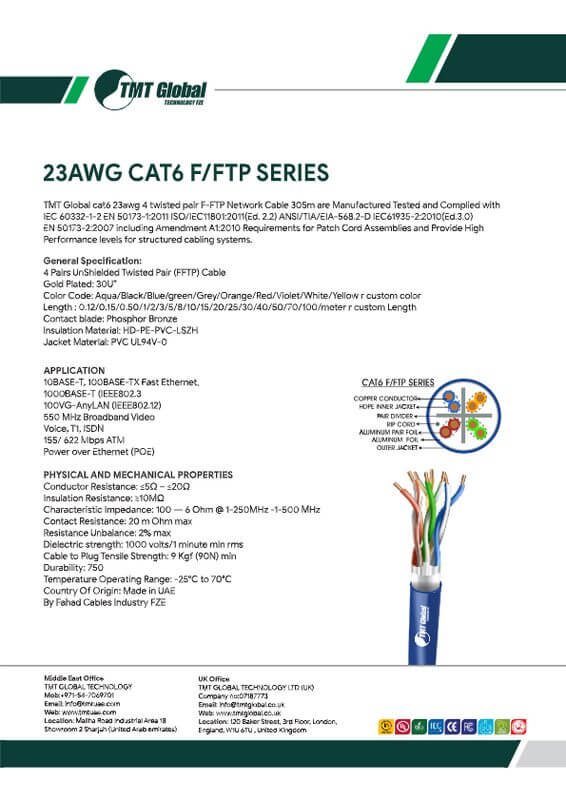
Foil Shielded Twisted Pair (F/FTP) cables represent a significant advancement in cable technology and are designed to mitigate electromagnetic interference (EMI) while enhancing data transmission capabilities. The F/FTP cable configuration comprises multiple twisted pairs of conductors that are individually wrapped in a foil shield, which is then collectively enveloped by another foil shield covering all the pairs. This dual-layered foil shielding ensures that both internal crosstalk between the pairs and external electromagnetic interference are effectively reduced.
Unlike S/FTP (Shielded Foiled Twisted Pair) cables, which incorporate an overall shield around all pairs in conjunction with individual shielding on each twisted pair, F/FTP cables offer advantages suited for specific applications. The distinction is primarily in the absence of an additional metallic braid in the S/FTP design, making F/FTP typically lighter and more flexible, while still providing substantial protection against noise and interference.
This foil shielding in F/FTP cables serves numerous important purposes. Firstly, it minimizes the impact of external interferences, which is crucial in high-data environments where maintaining data integrity is paramount. Additionally, the shielding aids in delivering improved signal quality over longer distances compared to unshielded twisted pair (UTP) cables. However, users must consider that while F/FTP cables provide enhanced shielding, their performance can still vary based on installation practices and the environment in which they are used.
In summary, F/FTP cables are distinguished by their unique shielding configuration which includes an overall foil shield and individual foil shields surrounding each twisted pair, making them a reliable choice for effectively managing interference and ensuring optimal data transmission performance in high-demand applications.
Advantages of F/FTP Cables
F/FTP (Foiled Foiled Twisted Pair) cables present several noteworthy advantages, making them a highly regarded choice in various networking applications. One of the primary benefits of F/FTP cables is their effective protection against electromagnetic interference (EMI). By utilizing a foil shield around each pair of wires, these cables significantly diminish the likelihood of external interference impacting the data transmission quality. This shielding is particularly advantageous in environments with numerous electronic devices or heavy machinery that may generate disruptive noise.
Furthermore, F/FTP cables are designed to meet a range of performance standards which ensure optimal signal integrity. Their robust construction allows for high-speed data transmission over extended distances, typically reaching up to 100 meters without a significant loss in performance. This characteristic makes them suitable for both industrial and commercial settings, where reliable connectivity is essential for effective operations.
Cost-effectiveness is another area where F/FTP cables shine, especially when compared to S/FTP (Shielded Foiled Twisted Pair) cables. While S/FTP cables offer superior shielding that can effectively combat more substantial interference, the additional layers of shielding often result in a higher cost. In many situations, particularly where mild interference is a concern, F/FTP cables provide an adequate solution at a more competitive price point. As such, they are often the preferred choice for businesses looking to balance performance needs with budget constraints.
In summary, the effective shielding against EMI, adherence to performance standards, and cost-effectiveness make F/FTP cables an advantageous option for a variety of networking applications. By selecting F/FTP cables, users can ensure reliable connectivity while wisely managing their expenditure on networking infrastructures.
Understanding F/UTP Cable
F/UTP, or Foil Unshielded Twisted Pair, represents a category of networking cables that play a crucial role in modern data transmission. The primary feature that differentiates F/UTP cables from other types is their construction, which combines foil shielding with unshielded twisted pairs. This design enables F/UTP cables to offer moderate protection against external interference while maintaining flexibility and lightweight characteristics.
The construction of F/UTP cables typically involves individual pairs of wires being twisted together, which aids in reducing crosstalk between the pairs. Surrounding these twisted pairs is a foil shield that provides an additional layer of protection. This shield can significantly mitigate electromagnetic interference (EMI) from external sources, making F/UTP cables particularly suitable for environments with moderate levels of interference. The foil shield helps in maintaining signal integrity, which is essential for effective data transmission over long distances.
F/UTP cables are often employed in various applications such as local area networks (LANs) and telephone systems, where data integrity is vital. They are typically categorized under the broader category of twisted pair cables, which also includes categories such as U/FTP and S/FTP. In comparison to fully shielded cables like S/FTP, F/UTP cables may provide slightly less shielding, making them a more cost-effective option for installations where high performance is not paramount.
Moreover, F/UTP cables are favored in scenarios where routing efficiency and ease of installation are prioritized. The combination of foil shielding and twisted pair design yields a cable that is versatile and cost-efficient, making it a preferred choice for many networking professionals. Overall, F/UTP cables strike a balance between performance and price, showcasing their value in contemporary data transmission infrastructures.
Benefits of F/UTP Cables
F/UTP (Foiled Unshielded Twisted Pair) cables offer a range of benefits that make them an attractive option for various networking applications. These cables utilize a foil shield that encases the twisted pairs, thereby providing a degree of protection against external interference, which is crucial for maintaining signal integrity, particularly in environments rich with electromagnetic interference (EMI) or radio frequency interference (RFI).
One of the significant performance metrics of F/UTP cables is their ability to operate at high data rates, making them suitable for demanding applications such as data centers and network backbones. F/UTP cables can support gigabit Ethernet and even 10 gigabit speeds over shorter distances, ensuring that organizations can achieve efficient and fast communication across their network structures.
Another advantage of F/UTP cables is their flexibility in installations, especially in areas where space is limited. Compared to fully shielded twisted pair (S/FTP) cables, which can be bulkier and more rigid due to their additional shielding, F/UTP offers a more manageable solution. This characteristic is particularly beneficial in conduits or tight spaces, facilitating easier routing and installation.
Cost considerations also play a crucial role in the choice of F/UTP cables. They typically come at a lower price point than fully shielded options, making them a cost-effective choice for network deployments that do not operate in highly disruptive environments. Organizations can achieve a balance between performance and budget by choosing F/UTP over S/FTP cables when full shielding is not a strict requirement.
In summary, F/UTP cables present a compelling alternative for various networking needs, combining good performance metrics with flexibility in installation and cost-effectiveness, catering to both residential and commercial applications in everyday networking environments.
Comparing S/FTP, F/FTP, and F/UTP: Which One to Choose?
When selecting the appropriate cabling for a networking environment, understanding the differences between S/FTP, F/FTP, and F/UTP cables is crucial. Each type of cable is designed with specific features that cater to varying requirements in terms of performance, cost, and installation conditions.
S/FTP cables, which boast shielding for both the individual pairs and the overall cable, provide the highest level of protection against electromagnetic interference (EMI). This makes S/FTP an excellent choice for environments with high levels of data traffic and potential interference from nearby electronic devices. While S/FTP cables tend to have a higher cost due to their advanced technology, their superior performance can justify the investment in scenarios where signal integrity is paramount.
F/FTP cables, offering shielding only around the overall cable with individual pairs being unshielded, stand as a balanced option. They provide good protection against interference while being less costly than S/FTP cables. F/FTP is suitable for typical office environments where moderate performance is required without the extreme protection that S/FTP delivers. Their price-to-performance ratio makes them a popular choice for businesses that do not operate in high-interference conditions.
On the other hand, F/UTP cables, which feature an unshielded twisted pair construction, are the most economical option. These cables are best suited for environments with minimal interference, where cost-saving is a priority. While F/UTP cables may lack the shielding quality of S/FTP and F/FTP, they are still capable of handling standard networking needs effectively.
In conclusion, the choice between S/FTP, F/FTP, and F/UTP cables should be based on the specific needs of the networking environment, balancing factors such as cost, required performance, and susceptibility to interference. By understanding these differences, network professionals can make informed decisions that best serve their operational needs.
Conclusion and Future Trends in Cable Technology
As technology evolves at a rapid pace, the importance of selecting the right networking cable cannot be overstated. The distinctions between various cable types such as S/FTP, F/FTP, and F/UTP play a crucial role in ensuring reliable and efficient data transmission. By understanding the specific characteristics and advantages of each type, individuals and organizations can make informed decisions about their networking infrastructure. The right choice not only enhances performance but also mitigates potential issues related to interference and signal degradation.
Looking ahead, we can expect significant advancements in cable technology. Future developments may focus on increasing data transfer speeds and improving overall bandwidth capacity. For instance, the emergence of more sophisticated shielding techniques could further reduce crosstalk and enhance the integrity of data streams. Additionally, the integration of fiber optic elements within traditional copper cabling might become more prevalent, allowing for hybrid solutions that take advantage of both copper’s longevity and fiber’s speed.
Furthermore, with the rise of smart buildings and the Internet of Things (IoT), the demand for more versatile and robust networking cables is anticipated to increase. As sensor technology proliferates, cables that can support a wider array of devices while maintaining efficient power management will be essential. The focus will likely shift towards more sustainable materials and designs that facilitate easier recycling and reduced environmental impact.
In summary, as we transition into an increasingly connected world, understanding the nuances of cable types will be paramount. The ongoing innovations in cable technology promise a future where networking solutions are not only faster and more reliable but also more sustainable, reinforcing the essential role these cables play in our daily lives and business operations.