
Understanding TMT Global UAE and the Importance of Cat6 and Cat6a Patch Cords
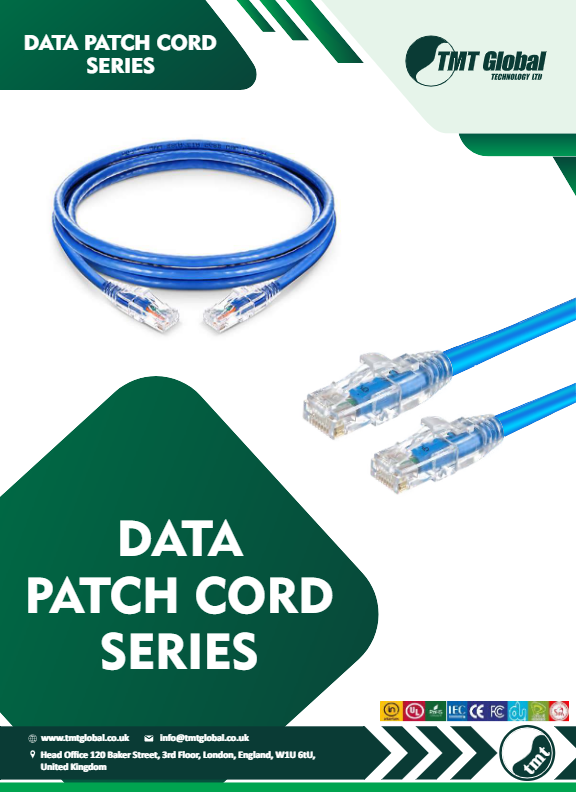
Introduction to TMT Global UAE
TMT Global UAE is a prominent player in the telecommunications sector, providing advanced networking solutions tailored to meet the demands of both local and international markets. Established with a vision to enhance connectivity, the company operates from its strategic base in the United Arab Emirates, enabling it to serve as a vital hub for communication technologies across the region. TMT Global UAE specializes in the development and distribution of networking products, including high-quality patch cables, which are essential for efficient data transmission.Patch Cord
One of the key areas of expertise within TMT Global UAE is its commitment to offering a wide range of solutions designed to optimize network performances, such as Cat6 and Cat6a patch cables. These cables are increasingly important as they support a broader bandwidth and higher data rates, making them a preferred choice for businesses looking to enhance their networking infrastructure. By investing in superior technology and adhering to stringent industry standards, TMT Global UAE ensures that their products not only meet but often exceed customer expectations.
In addition to Cat6 and Cat6a patch cords, TMT Global UAE also provides an array of services including system design, installation, and maintenance for data centers. The company is recognized for its customer-centric approach, aiming to deliver solutions that are both innovative and reliable. TMT Global UAE’s role in the telecommunications ecosystem extends beyond product offerings; it actively contributes to the advancement of technology in the region, facilitating better communication and connectivity for businesses and consumers alike.
In summary, TMT Global UAE holds a crucial position in the telecommunications arena, continuously evolving to meet the growing demands of the marketplace. The company’s emphasis on quality products and services establishes it as a key leader in the industry, particularly in the realm of networking solutions.

What are Patch Cords?
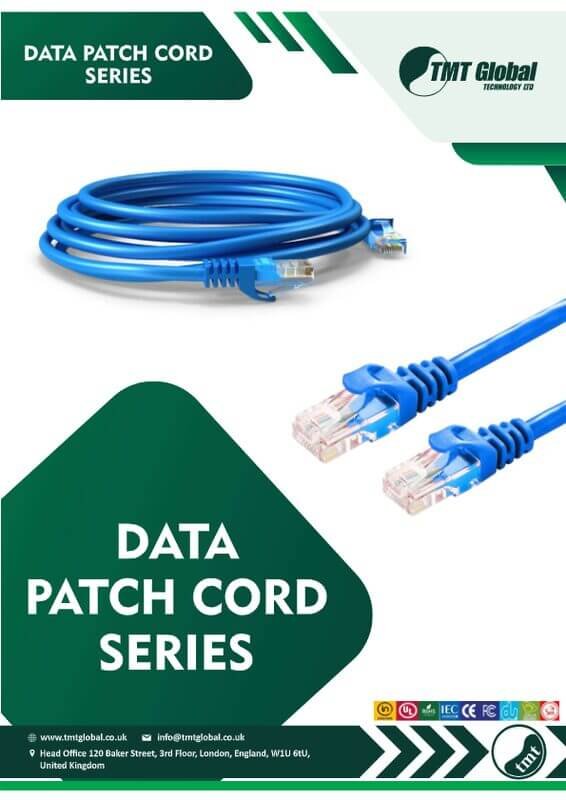
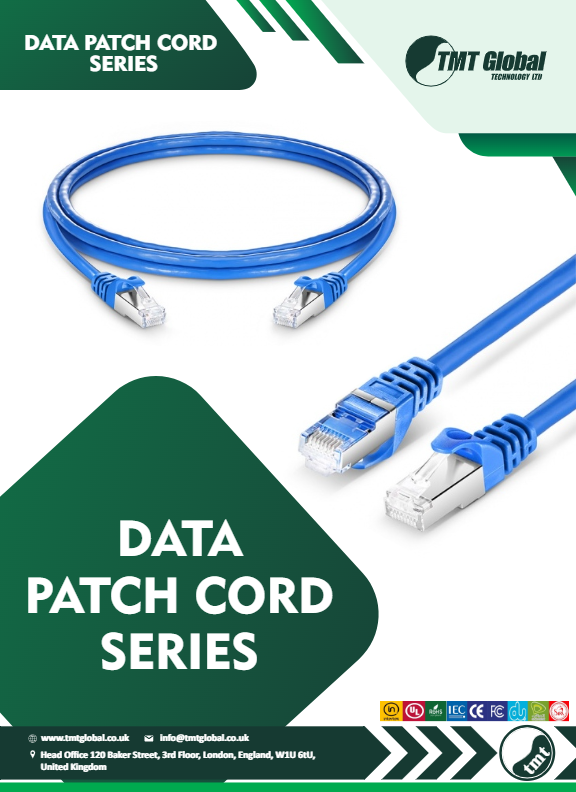
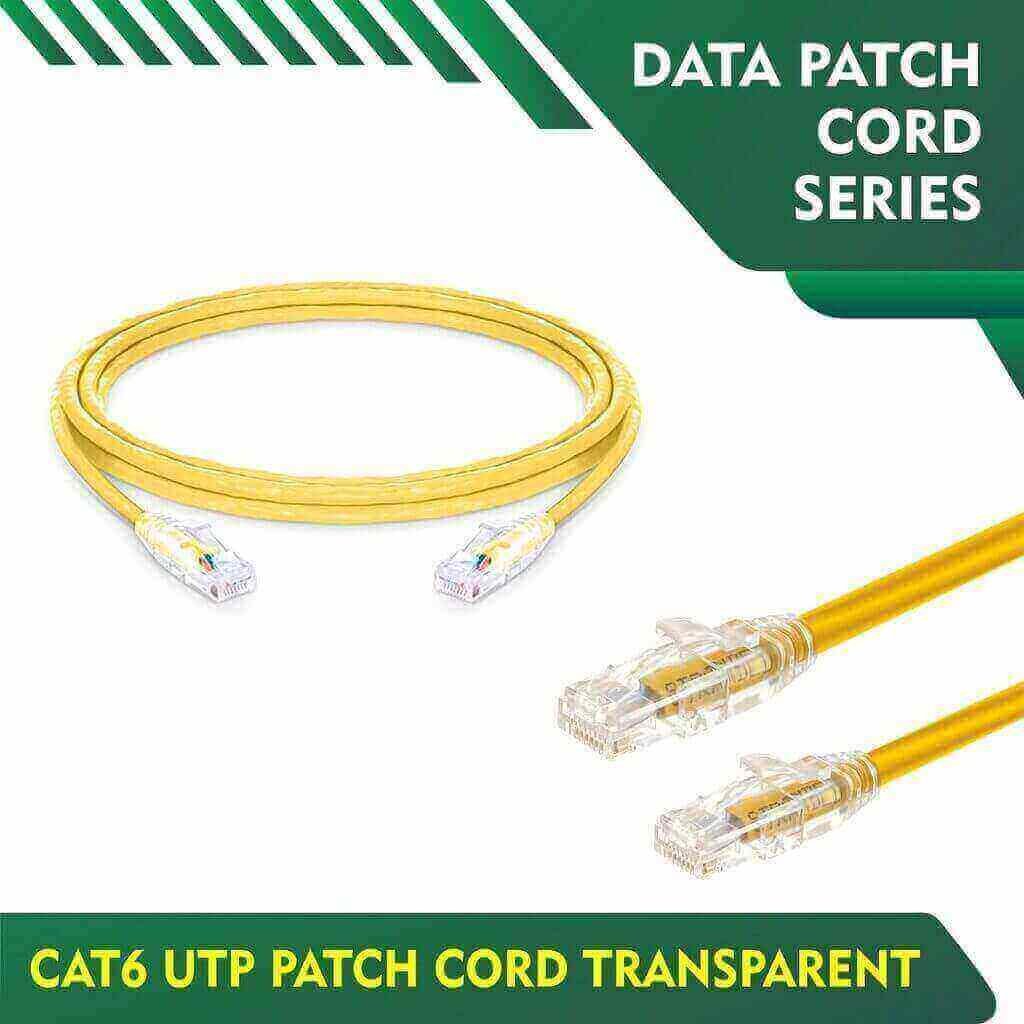
Patch cords, often referred to as patch cables, are essential components in networking infrastructure. They serve as the physical connection between various networking devices, such as switches, routers, and peripherals, facilitating data transmission within a network. Typically, patch cords are flexible cables featuring connectors at both ends, allowing for easy connection and disconnection between devices.
The primary purpose of patch cords is to create a reliable communication link that transfers data signals from one device to another. For instance, in an office environment, patch cords are commonly used to connect computers to network switches, enabling them to access the broader internet or internal network resources. Additionally, they may also link different networking hardware, such as patch panels or wall outlets, streamlining the organization of network cabling.
Patch cords are available in various configurations, including different categories such as Cat5, Cat5e, Cat6, and Cat6a, each designed to support specific performance standards. For example, Cat6 and Cat6a patch cords are particularly valued for their ability to handle higher frequencies, making them suitable for applications requiring fast data transfer speeds and reduced interference. The choice of patch cords significantly impacts network performance and reliability, underlining their importance in any networking setup.
Through proper selection and installation of patch cords, users can ensure optimal network performance and minimize potential connectivity issues. While arranging a network, it is crucial to consider factors such as cable length, category type, and connector quality, ensuring that the patch cords meet the specific needs of the environment in which they are deployed.
Understanding Cat6 Patch Cords
Cat6 patch cords, a crucial element of modern networking, are designed to support high-speed data transmission for various applications, including video conferencing, online gaming, and large data transfers. These cables are constructed with four twisted pairs of copper wire, which helps in reducing interference and ensuring that the signal remains clear and strong over longer distances.
One of the standout features of Cat6 patch cables is their ability to support a bandwidth of up to 250 MHz, significantly higher than their predecessors, such as Cat5e cables, which typically support only up to 100 MHz. This increased bandwidth allows for faster data transmission rates of up to 10 Gbps over a distance of 55 meters, providing a substantial improvement for businesses and home networks alike.
In terms of specifications, Cat6 patch cords are characterized by their adherence to the TIA/EIA 568-B standard, which determines the performance parameters for ethernet cabling. The stringent specifications ensure that Cat6 cables can handle higher frequencies and maintain a lower bit error rate, offering a more reliable connection compared to earlier standards. Furthermore, the enhanced shielding options available in Cat6 cables contribute to their ability to reduce crosstalk and electromagnetic interference, making them an ideal choice for environments saturated with electronic devices.
The advantages of using Cat6 patch cords over previous standards extend beyond mere speed and bandwidth. They are backward compatible, which means they can seamlessly integrate with older networking systems while still providing the advanced features needed for contemporary applications. This compatibility makes transitioning to better technology straightforward, without the necessity to replace all existing infrastructure.
Comparison of Cat6 and Cat6a Patch Cables
In the realm of networking, choosing the right patch cable is crucial for ensuring optimal performance and reliability. Two of the most commonly used types of patch cables are Cat6 and Cat6a. While these cables serve similar purposes, they exhibit significant differences in performance, data rates, and applications.
Cat6 patch cables are designed to support data rates of up to 1 Gbps (Gigabit per second) at a distance of 100 meters. They operate at a bandwidth of 250 MHz, making them suitable for most standard networking tasks, such as internet browsing, streaming, and basic corporate networking. Due to their widespread use, Cat6 cables are often the go-to choice for residential and commercial setups where high-speed connectivity is essential.
On the other hand, Cat6a patch cables are an advancement over their Cat6 counterparts, capable of supporting data rates of up to 10 Gbps over a distance of 100 meters. With a bandwidth of 500 MHz, Cat6a cables can handle more network traffic and reduce crosstalk and interference more effectively than Cat6 cables. This makes them particularly suitable for high-performance networking environments, such as data centers and enterprise-level applications, where maximum data throughput is critical.
Another important distinction between the two is the physical construction. Cat6a cables are usually thicker due to the added insulation and shielding, which not only improves performance but also enhances durability. As a result, while Cat6 cables are easier to install owing to their flexibility, Cat6a cables provide better protection against external noise, making them a superior choice for installations in high-electromagnetic interference (EMI) areas.
In summary, while both Cat6 and Cat6a patch cables are efficient solutions for networking needs, the choice between them should be made based on the specific demands of the application, including data rates, bandwidth requirements, and the environment in which they will be used.
Exploring Cat5e Patch Cables
Category 5 Enhanced (Cat5e) patch cables are a widely utilized type of network cable designed for Ethernet and network connections. They are an improvement over the older Cat5 cables, offering enhanced performance in terms of increased data rates and reduced interference. The Cat5e specifications allow for transmission speeds of up to 1 Gigabit per second (Gbps) over distances of up to 100 meters, making them suitable for both home and small business applications.
One of the hallmarks of Cat5e cables is their ability to support bandwidths of up to 100 MHz. This capability allows for more data to be transmitted simultaneously, providing better overall network performance. As a result, many users utilize Cat5e patch cables for tasks such as connecting computers to routers, switches, and other network devices. They are particularly popular in situations where high-speed internet is available but may not necessitate the higher bandwidths provided by newer cable standards like Cat6 or Cat6a.
However, while Cat5e cables are versatile, they do have limitations. For instance, the maximum performance of 1 Gbps may not suffice for evolving technological demands, such as those required by modern data centers or high-bandwidth applications. In cases where future scalability is a concern, or where high-definition video streaming or large file transfers are commonplace, upgrading to Cat6 or Cat6a patch cables becomes essential. Additionally, Cat5e cables are more susceptible to crosstalk and electromagnetic interference, especially over longer distances.
Despite these limitations, Cat5e patch cables still serve a valuable purpose in many networking environments. They are a cost-effective choice for users who do not require the advanced capabilities offered by newer standards. Therefore, for basic network setups, particularly in home environments or small office networks, Cat5e patch cables can continue to provide adequate performance and reliability.
Importance of RJ45 Connectors in Patch Cords
RJ45 connectors are pivotal components in the realm of networking, particularly when it comes to patch cords. These connectors serve as the interface between the networking cable and the devices that require connectivity, such as computers, routers, and switches. The design of the RJ45 connector includes eight pins that are arranged to facilitate the connection of the cable’s wires, ensuring optimal signal transmission and reception.
In terms of specifications, RJ45 connectors can support various standards, including 10Base-T, 100Base-TX, and Gigabit Ethernet, making them versatile for different networking applications. Each of these standards requires specific wiring configurations, such as T568A or T568B, which dictate how the internal wires are arranged within the connector. Proper alignment of these wires is crucial for maintaining the integrity of the data being transmitted.
The importance of RJ45 connectors in patch cords extends beyond their technical specifications. They are integral in ensuring stable and reliable network connections. A well-manufactured RJ45 connector provides low insertion loss and maintains high-performance integrity, which is essential for data centers and environments where consistent connectivity is critical. Furthermore, the connectors play a vital role in reducing interference and crosstalk between wires, which can significantly disrupt network performance.
As organizations continually seek to enhance their network infrastructure for improved communication and efficiency, the role of RJ45 connectors becomes increasingly significant. Their reliable performance is fundamental in both residential and commercial settings, where they directly impact the speed and reliability of network services. Thus, understanding the functionality and importance of RJ45 connectors in patch cords is essential for anyone involved in the installation or maintenance of network systems.
Factors to Consider When Choosing Patch Cords
Selecting the appropriate patch cords is a paramount process for ensuring the optimal functionality of any network. Various factors should be considered to make an informed decision, including cable length, quality, shielding, and compatibility with existing network equipment.
Cable length is a fundamental consideration, as it directly affects the installation and performance of your network. Ideally, the length should be sufficient to connect your devices without excess slack, which can lead to clutter and potential signal degradation. However, excessively long cables should be avoided, as they may introduce latency and reduce overall performance. It is advisable to measure the distance accurately between your devices before making a purchase.
The quality of the patch cable is another critical factor. High-quality cables are typically built with better materials and techniques that result in enhanced performance and durability. Factors such as the gauge of the wire and the type of connectors used can significantly impact the signal integrity and clarity of data transmission. Consumers should opt for patch cords that meet industry standards such as Cat6 or Cat6a, which offer improved data rates and bandwidth capacities.
Shielding is also essential, especially in environments prone to electromagnetic interference (EMI). Shielded patch cables can help reduce interference, ensuring that data transmission remains clear and uncorrupted. Consumers should evaluate their specific environment to determine whether unshielded or shielded cables will best suit their needs.
Lastly, compatibility with existing network equipment should be assessed before purchasing. It is vital to ensure that the patch cables are designed to work seamlessly with routers, switches, and other components in the network setup. This guarantees that the entire system functions effectively and reduces the likelihood of compatibility issues.
Trends in Networking Cables and TMT Global’s Role
The landscape of networking cables has witnessed considerable changes in recent years, driven by rapid technological advancements and evolving user demands. A significant trend impacting networking infrastructure is the transition from traditional cables to more sophisticated options such as Cat6 and Cat6a patch cables. These cables are designed to support higher data transmission rates and enhanced bandwidth, making them essential for modern networking requirements.
As organizations increasingly adopt high-speed internet solutions and IoT devices, the need for cables that can efficiently handle larger data loads has become paramount. The emergence of standards like 10GBASE-T, which operates over Cat6a cabling, illustrates a shift towards high-performance networking solutions. Not only do these standards enhance data speeds up to 10 Gigabits per second, but they also support longer transmission distances, further catering to complex networking setups.
TMT Global UAE plays a pivotal role in this evolving scenario, ensuring that clients stay at the forefront of networking technology. The company is committed to providing high-quality Cat6 and Cat6a patch cables, which are integral to the deployment of modern network infrastructures. Given the increasing demand for reliable and efficient connections, TMT Global is strategically positioned to offer innovative solutions designed to meet the specific needs of various sectors, including education, healthcare, and corporate enterprises.
Furthermore, TMT Global’s dedication to research and development allows it to adapt quickly to emerging market trends and technologies. As networking standards continue to progress, TMT Global UAE remains poised to support its clientele with the latest offerings in cable technology, facilitating seamless connectivity in an increasingly digital world. The ongoing advancements in networking cables not only enhance performance but also contribute to the sustainability and reliability of networking systems, ensuring organizations can maximize their operational efficiencies.
Conclusion and Final Thoughts
In conclusion, the significance of selecting the appropriate patch cables, specifically Cat6 and Cat6a, cannot be understated. These cables play a crucial role in ensuring optimal network performance, data integrity, and connectivity. As discussed, Cat6 patch cables offer a reliable solution for standard networking needs, while the advanced capabilities of Cat6a cables cater to more demanding requirements, such as higher data transmission speeds and increased frequencies. Understanding the differences and advantages of these cable types is essential for anyone looking to establish or upgrade their network infrastructure.
TMT Global UAE stands out in the telecommunications industry by offering a wide range of high-quality networking solutions, including both Cat6 and Cat6a patch cables. Their commitment to providing reliable products and expert advice ensures that clients can make informed decisions tailored to their specific networking needs. This support is invaluable, given the fast-paced advancement of technology and the increasing demands on network systems.
Ultimately, making informed choices about networking components helps build a foundation for efficient communication and seamless operations. By investing in the right patch cables and leveraging the expertise of industry leaders like TMT Global UAE, individuals and businesses can significantly enhance their network performance. Therefore, it is essential for readers to evaluate their unique requirements critically and choose the most suitable cabling solutions to foster a robust and future-proof network environment.