
Understanding TMT Global and Types of Cat 6 cord
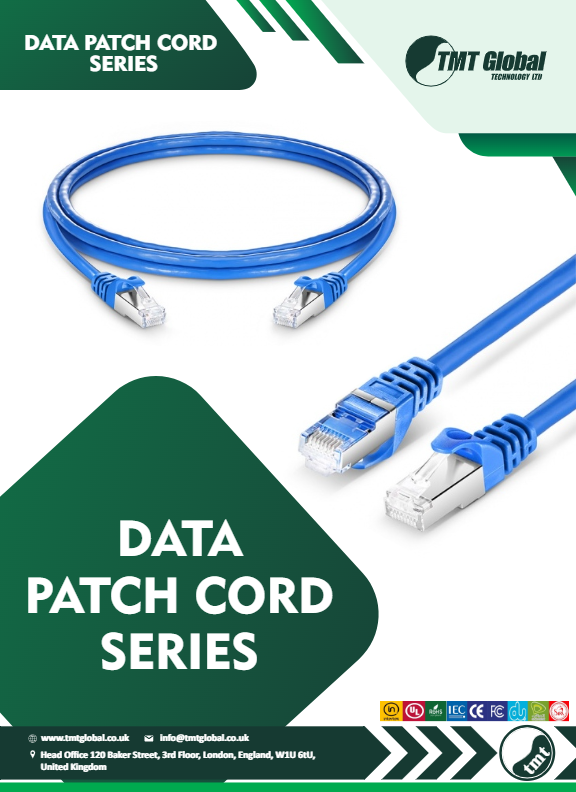
Introduction to TMT Global
TMT Global has emerged as a leading entity within the telecommunications sector, renowned for its comprehensive suite of products and services designed to enhance networking capabilities. Founded with a vision to revolutionize communication technologies, TMT Global is committed to delivering innovative solutions that cater to the growing demands of both individuals and businesses alike.Cat 6 cord
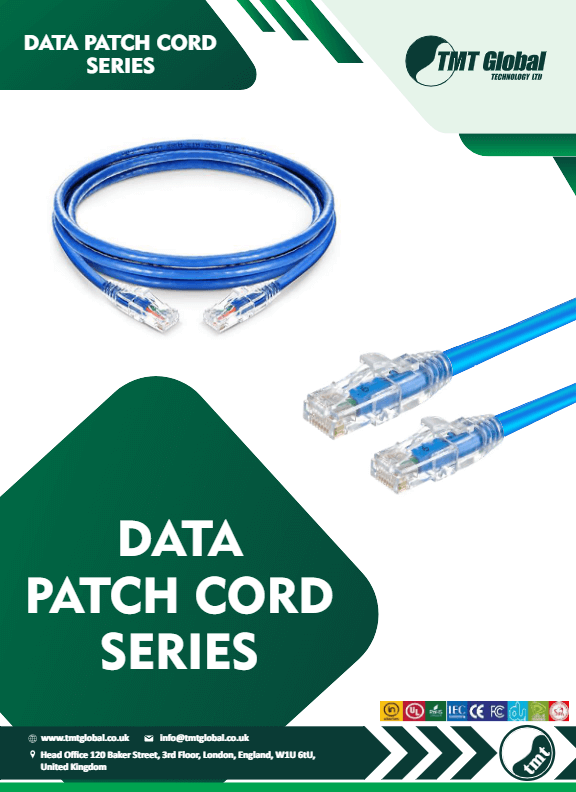
At the core of TMT Global’s offerings lies a variety of reliable and efficient telecommunications equipment, with a specific focus on high-performance Ethernet cables. These cables play a pivotal role in ensuring seamless connectivity and data transmission across various networking environments. TMT Global not only provides an extensive range of Ethernet cables but also prioritizes quality and durability, contributing to reliable network performance.
The company is known for its commitment to research and development, enabling it to stay ahead of industry trends and offer cutting-edge technology. This approach allows TMT Global to adapt to the ever-evolving landscape of telecommunications, making it a valuable partner for organizations attempting to optimize their network systems. Their extensive portfolio includes standard Ethernet cables, as well as specialized versions designed for higher performance and specific applications, reinforcing their capability to meet diverse client needs.
Furthermore, TMT Global emphasizes customer relationships, providing unparalleled support and consultation services to assist clients in selecting the right products for their specific installations. This customer-centric philosophy enhances TMT Global’s reputation as a trusted provider in the telecommunications industry, ensuring that clients receive tailored solutions based on their operational requirements.
Overview of Ethernet Cables
Ethernet cables play a critical role in modern networking, serving as the physical medium through which data is transmitted between devices. Primarily designed for communication in local area networks (LANs), Ethernet cables connect computers, routers, switches, and various other networked devices, enabling them to share information effectively.
The genesis of Ethernet technology dates back to the 1970s when engineers at Xerox PARC developed a protocol that allowed multiple computers to communicate over a shared coaxial cable. This foundational work laid the groundwork for what would become a widely adopted standard for data communication. Over the decades, Ethernet has evolved significantly, transitioning from coaxial cables to twisted pair and fiber optic cables. This evolution has resulted in increased speeds, improved reliability, and support for a more comprehensive range of applications.
Ethernet cables are classified into various categories, with each category offering different capabilities in terms of speed and bandwidth. For example, Category 5 (Cat 5) cables support speeds up to 100 Mbps, while newer standards, such as Category 6 (Cat 6) and Category 7 (Cat 7), are designed for gigabit and multigigabit connections, respectively. This diversity enables organizations and individuals to choose the right type of Ethernet cable based on their specific networking requirements.
Moreover, the choice of Ethernet cable can influence the efficiency of data transmission. Twisted pair cables are often used in homes and offices due to their flexibility and low cost. On the other hand, fiber optic cables are preferred for long-distance communication and high-speed networks. Understanding the fundamentals of Ethernet cables is essential for anyone looking to optimize their network performance and make informed decisions about their networking infrastructure.
Understanding Cat 5 and Cat 6 Cables
Category 5 (Cat 5) and Category 6 (Cat 6) Ethernet cables are essential components in creating reliable network connections. Both types of cables are used for connecting devices in local area networks (LAN), but they differ significantly in terms of performance and specifications.
Cat 5 cables, which have been a standard in networking for several decades, support speeds up to 100 Mbps, with a maximum bandwidth of 100 MHz. Typically, these cables are suitable for basic networking tasks such as internet browsing and standard file sharing. Due to their limitations, Cat 5 cables have become somewhat obsolete, as newer technologies demand higher performance.
On the other hand, Cat 6 cables bring substantial improvements over their Cat 5 counterparts. They support data transfer speeds up to 10 Gbps within a distance of 55 meters, and with a bandwidth of 250 MHz, they are better equipped to handle more data simultaneously. This makes Cat 6 cables particularly advantageous in environments that rely on high-speed internet, multimedia streaming, and data-intensive applications.
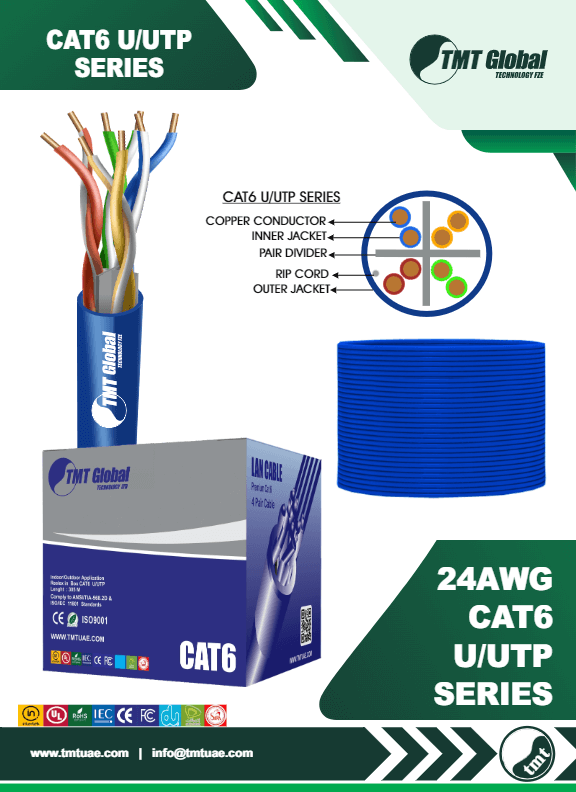
In terms of construction, Cat 6 cables feature thicker conductors and better insulation, which helps to reduce crosstalk and external interference. This robustness means that Cat 6 can maintain its performance over longer distances compared to Cat 5. Businesses and individuals seeking to future-proof their network installations often opt for Cat 6 cables to ensure they meet increasing demands for speed and reliability.
Furthermore, as technology continues to evolve, upgrading to Cat 6 cables aligns with current trends in networking, supporting modern devices and applications. Adopting Cat 6 can lead to more efficient operations, ultimately enhancing overall productivity in both residential and commercial settings.

Exploring Cat 6 Elevator Traveling Cables
The specific demands of vertical transportation systems necessitate the use of specialized communication cables, particularly in elevators. Among these, Cat 6 elevator traveling cables have emerged as a significant technology. Designed for reliable performance, Cat 6 cables facilitate various communication systems, which are essential for the operation and safety of elevators.
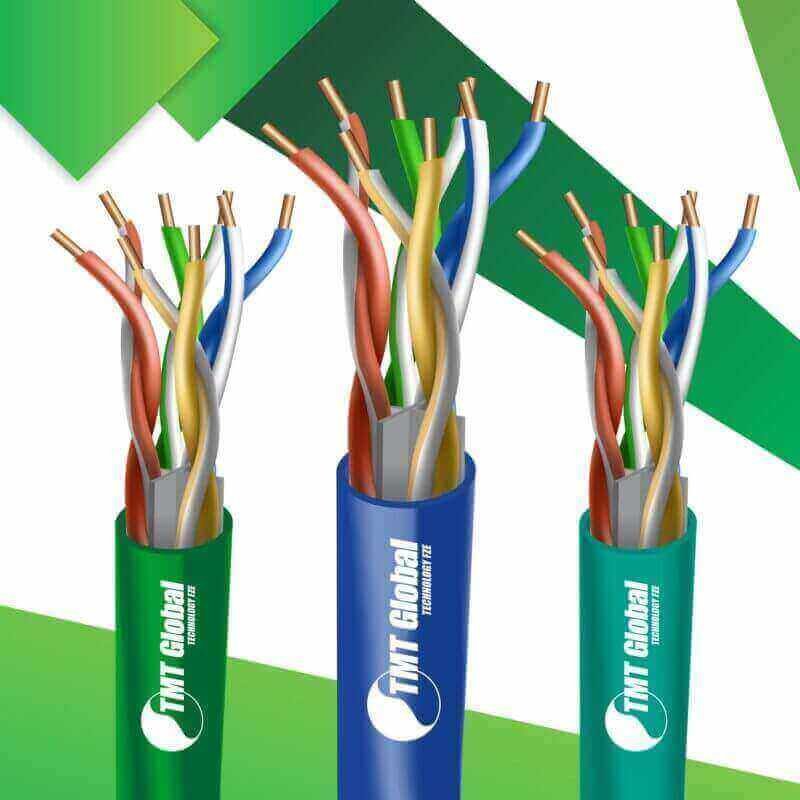
Cat 6 elevator traveling cables are distinguished by their construction, which is tailored to withstand the unique conditions encountered in vertical transit. These cables typically comprise several pairs of twisted copper wires, insulated to provide minimal interference and support high-speed data transmission up to 10 Gbps. The twisting of the pairs helps reduce crosstalk, delivering enhanced reliability in transmission quality, which is crucial in elevator communication systems.
Additionally, the outer sheath of the Cat 6 elevator traveling cables is designed to endure the mechanical stresses of the elevator environment. This might include resistance to abrasion from movement as well as fire retardant properties, ensuring compliance with safety standards. Their robust design ensures that the cables can flexibly move with the elevator car while maintaining connectivity with control panels and emergency systems.
Furthermore, elevator traveling cables not only carry Ethernet signals but are also critical in relaying various operational data such as diagnostics and control commands. This real-time communication is vital in ensuring the smooth operation of elevators, thereby enhancing passenger experience and safety. As vertical transportation continues to evolve, the significance of Cat 6 elevator traveling cables in maintaining efficient communication systems cannot be overstated, highlighting their role in modern elevator designs.
Cat 6A Outdoor Cable: Features and Benefits
Cat 6A outdoor cables are specifically designed to deliver optimal performance in challenging outdoor environments. These cables adhere to the Category 6a standards, meaning they support high-speed data rates of up to 10 Gbps over distances of 100 meters. Constructed with enhanced shielding and a rugged exterior, Cat 6A outdoor cables are engineered to withstand adverse weather conditions, UV exposure, and physical stress, making them ideal for installations needing durability and reliability.
One of the standout features of Cat 6A outdoor cables is their robust construction, which typically includes a weather-resistant jacket that protects the inner conductors from moisture and physical damage. This protection reduces the risk of signal degradation commonly associated with environmental factors. Furthermore, many Cat 6A outdoor cables are equipped with a gel-filled core for additional moisture protection, allowing them to perform reliably even in high humidity or wet conditions.
The benefits of using Cat 6A outdoor cables extend beyond environmental resilience. They ensure superior performance in data transmission, with reduced crosstalk and minimized interference thanks to their advanced shielding. This makes them suitable for various outdoor applications, including connecting network devices, security cameras, and outdoor Wi-Fi access points that require high bandwidth. Many organizations opt for Cat 6A outdoor cables to enhance their network infrastructure, especially in areas where traditional indoor cables may falter.
Additionally, as businesses increasingly adopt IoT devices and other data-heavy applications, having a robust outdoor cabling solution becomes crucial. Cat 6A outdoor cables help maintain high data transmission rates and network stability, ensuring that organizations can work efficiently without interruptions. Overall, the use of these specialized cables is instrumental in supporting modern outdoor networking needs, effectively meeting the demands of both speed and reliability.
The Utility of RJ11 Ethernet Cables
RJ11 Ethernet cables serve a crucial role in telecommunications and networking, primarily designed for telephone connections. Unlike the more widely utilized RJ45 connectors that support data transmission in local area networks (LANs), RJ11 cables are adept at carrying voice signals. The RJ11 connector features four or six pins but typically connects only two wires, enabling efficient, low-bandwidth communication.
In terms of functionality, RJ11 cables are used primarily for connecting telephones to wall jacks or for linking modems to DSL connections. Although they are categorized under the broader Ethernet umbrella, it is important to clarify that RJ11 cables do not deliver the same data speeds or capabilities as their RJ45 counterparts. RJ45 connectors typically support Gigabit Ethernet speeds, while RJ11 cables are limited to lower bandwidth requirements, making them less suitable for high-speed data transmissions.
Common applications of RJ11 Ethernet cables include traditional landline telephony systems, fax machines, and DSL modems. Their significance is particularly pronounced in areas where voice communication is prioritized over data transfer. For residential setups, they are often employed to connect telephones throughout the home, leveraging existing telephone lines to maintain connectivity. Furthermore, in small business environments, RJ11 cables can be used to set up basic communication infrastructures without the need for extensive cabling or advanced equipment.
Considering their specific utility, RJ11 cables remain relevant in a variety of scenarios where streamlined telecommunication systems are vital. While they are less versatile than RJ45 cables, the use of RJ11 Ethernet cables is essential for certain applications, providing a reliable option for voice signal transmission.
Comparing Cat 5 and Cat 6 Ethernet Cables
When evaluating network performance, it’s crucial to understand the differences between Cat 5 and Cat 6 Ethernet cables. Both cable types are designed for wired connectivity in local area networks (LANs), but they exhibit distinct characteristics that influence their usability in various scenarios.
Firstly, the bandwidth is a significant differentiator. Cat 5 cables are capable of supporting bandwidths of up to 100MHz, while Cat 6 cables can handle bandwidths up to 250MHz. This enhanced capacity of Cat 6 cables allows for superior transmission of data, making them more appropriate for modern applications that demand higher speeds and greater data transfer efficiency.
Additionally, the transmission speed of these cables varies considerably. Cat 5 cables can achieve speeds of 10/100 Mbps (Megabits per second) under optimal conditions. In contrast, Cat 6 cables support speeds of up to 10 Gbps (Gigabits per second) over shorter distances. This capability renders Cat 6 a preferable option for environments where high-speed data transfer is essential, such as in streaming high-definition videos or running multiple devices simultaneously.
Moreover, maximum length is another aspect where these cables differ. Cat 5 cables are designed to support distances of up to 100 meters for optimal performance, whereas Cat 6 cables can provide maximum performance up to 55 meters when transmitting at 10 Gbps. Beyond this distance, the performance begins to deteriorate, highlighting the importance of selecting the right type based on the specific network requirements.
In summary, choosing between Cat 5 and Cat 6 Ethernet cables depends heavily on the intended application, required speeds, and overall network performance needs. Understanding these differences ensures that users can make informed decisions, ultimately enhancing their network experience.
Understanding Cat 6 Cable Pricing
The pricing of Category 6 (Cat 6) Ethernet cables can vary considerably, influenced by several key factors that consumers should consider when budgeting for their networking infrastructure. Typically, Cat 6 cables are offered at prices that range from a few cents to several dollars per meter, depending on the specific characteristics of the cable.
One of the primary factors affecting the cost of Cat 6 cables is the quality of the materials used in their construction. Higher-quality cables are produced using better shielding techniques, such as individual or overall shielding, which contribute to improved performance in terms of reduced crosstalk and extended transmission distances. These premium options often command a higher price point than standard cables, making it essential for consumers to weigh the benefits of quality against their budgetary constraints.
The length of the cable also plays a significant role in its pricing. Typically, longer cables incur higher costs due to both the increased material and manufacturing expenses involved. However, purchasing in bulk can sometimes lead to overall savings; thus, organizations planning to deploy extensive networking infrastructure should consider their overall needs before making a purchase.
Additionally, market trends and demand can significantly impact Cat 6 cable prices. In periods of high demand or when supply chain issues arise, prices may experience volatility. It is advisable for consumers to monitor market conditions and anticipate potential increases in pricing based on broader economic factors.
In conclusion, understanding the pricing of Cat 6 cables requires awareness of quality, length, and market trends. By carefully considering these factors, consumers can better plan their expenditures and ensure they select suitable cables for their networking requirements.
Conclusion and Future Directions in Networking Cables
In this blog post, we have explored the significant aspects of TMT Global and the various types of Ethernet cables, highlighting their crucial roles in modern networking environments. The discussions have underscored the importance of understanding these technologies for anyone looking to optimize their network infrastructure. Ethernet cables, particularly, have evolved rapidly, reflecting advancements in both speed and reliability, which are paramount in today’s digital landscape.
As we look to the future, it is evident that networking cables will continue to progress with ongoing technological advancements and the emergence of new standards. The demand for higher bandwidth and lower latency is driving innovation, suggesting that the Ethernet cables of tomorrow may far exceed our current expectations. We anticipate developments in materials and designs that enhance signal integrity and mitigate interference, which will elevate performance across networks.
Moreover, the transition towards higher-performance networking standards, such as 10GBASE-T and beyond, indicates that manufacturers will be focusing on producing cables that can support these cutting-edge applications seamlessly. Additionally, the integration of environmental considerations into the manufacturing processes could also become a pivotal area, ensuring that the growth of network technology aligns with sustainable practices.
In conclusion, the evolution of Ethernet cables and networking technology will undoubtedly shape the future of how we connect devices and access information. Awareness of these trends will empower consumers and businesses alike to make informed decisions regarding their network infrastructure. As standards continue to emerge and technology advances, it is crucial for all stakeholders to stay informed and adaptable to leverage these developments effectively.