
Understanding Ethernet Cables types: A Comprehensive Guide to Cat5e, Cat6, and Cat6a
Introduction to Ethernet Cables
Ethernet cables play a crucial role in modern networking, serving as the backbone for connecting devices in local area networks (LANs). These cables transmit data over short distances, enabling seamless communication between computers, routers, switches, and other networked devices. Their significance cannot be understated, as they facilitate various online activities, including gaming, streaming, and browsing.Ethernet Cables types
As technology continues to advance, the demand for high-speed internet connections has become more prevalent. This has led to the development of various categories of Ethernet cables, designed to meet different bandwidth requirements and performance levels. Among these, Cat5e, Cat6, and Cat6a are widely used in both residential and commercial applications due to their enhanced capabilities.
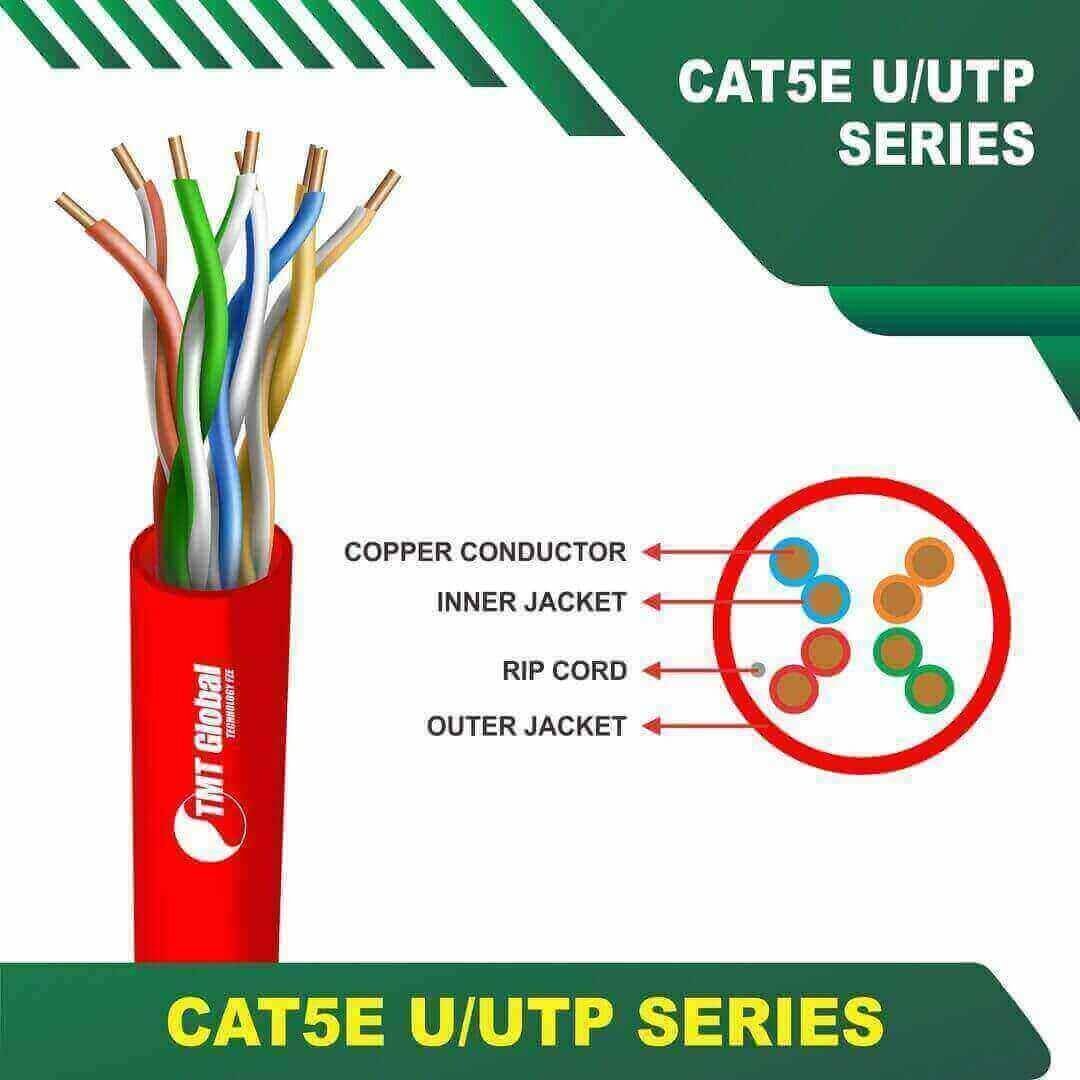
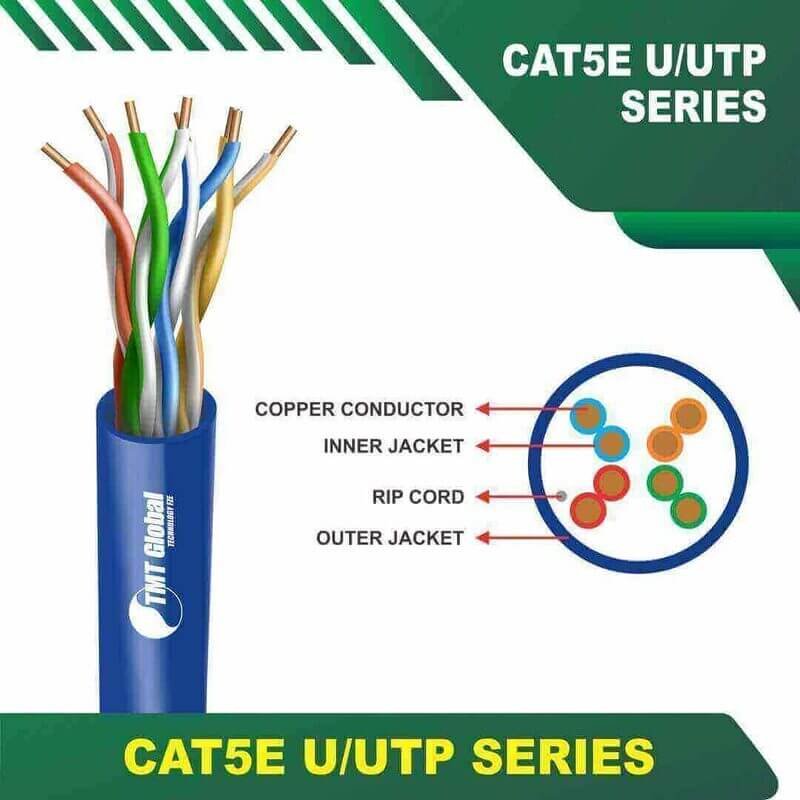
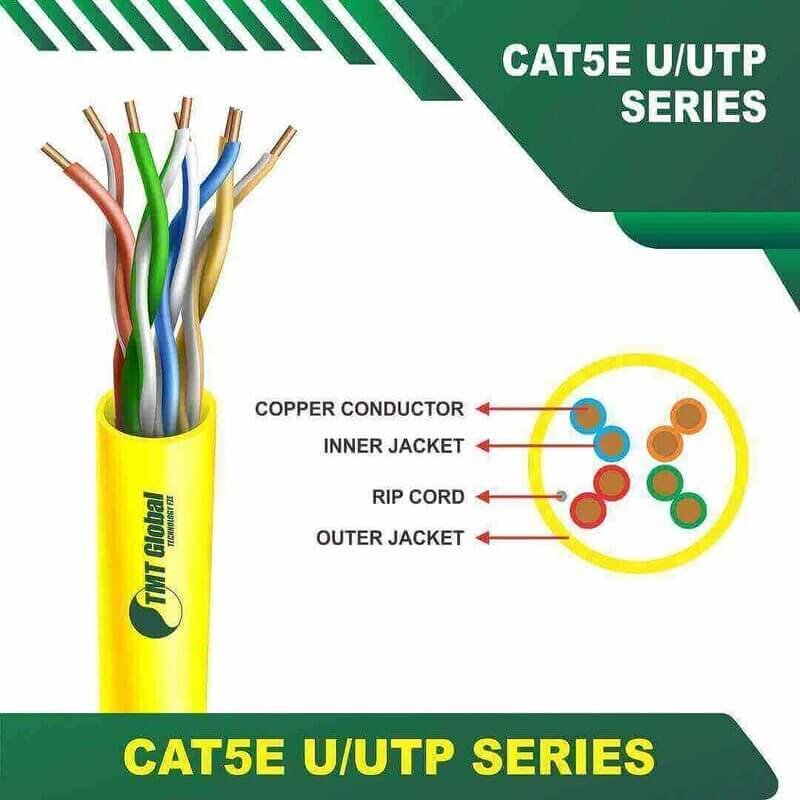
Cat5e, or Category 5 enhanced cable, is an improved version of the original Cat5 standard. It supports data rates of up to 1 Gbps (Gigabits per second) and is suitable for most everyday internet usage scenarios. With better resistance to crosstalk and interference, Cat5e cables are an excellent choice for basic home networking.
In contrast, Cat6 cables provide even higher performance, supporting frequencies of up to 250 MHz and data rates of up to 10 Gbps over shorter distances. This makes them ideal for environments that demand more bandwidth, such as video conferencing and online gaming, where latency and speed are critical.
Cat6a, or Category 6 augmented cable, takes performance a step further, accommodating frequencies of up to 500 MHz and maintaining its 10 Gbps capability over longer distances. This ensures that networks remain robust even as data demands grow, making Cat6a a preferred choice for high-performance data centers and enterprise environments.
What is Cat5e Cable?
Cat5e, or Category 5 enhanced cable, is a standard for Ethernet cables that has become essential for modern network setups. It is an improvement over the older Cat5 standard, offering better performance characteristics that make it suitable for a wide range of networking applications. Typically, Cat5e cables support data transmission speeds of up to 1 Gbps, making them an ideal choice for home networks and small businesses seeking a reliable connection without the expense of more advanced cabling options.
One of the key specifications of Cat5e cables is their enhanced bandwidth capabilities, which can reach up to 100 MHz. This increase in bandwidth allows for improved data transfer rates and reduced crosstalk between cables, leading to a more stable network connection. Additionally, Cat5e cables are commonly used in environments where high-speed data transmission is critical but where cost considerations may limit the use of more advanced cabling types, such as Cat6 or Cat6a.Ethernet Cables types
Cat5e cables are particularly well-suited for applications such as internet browsing, streaming video, and online gaming, where high-speed connectivity is necessary. They can also support Voice over Internet Protocol (VoIP) services, making them versatile in both residential and commercial settings. In terms of installation, Cat5e cables can be run up to 100 meters in length while maintaining optimal performance. This distance allows for substantial flexibility in the layout of networks, as users are not confined to short cable runs.Ethernet Cables types
In conclusion, Cat5e Ethernet cables represent a robust solution for many networking needs. Their speed, bandwidth, and performance characteristics coupled with their cost-effectiveness make them a favored choice for those looking to establish reliable and efficient networks in various environments.
Understanding Cat6 Cable
Cat6 cables represent a significant advancement over their predecessors, particularly Cat5e cables, in terms of performance and utility. These cables are designed to support data transmission speeds of up to 10 Gbps, which is a notable enhancement compared to the maximum speed of 1 Gbps typically associated with Cat5e cables. Cat6 achieves this higher speed capability by utilizing improved internal wiring configurations and better shielding techniques.
The construction of Cat6 cables includes four pairs of twisted wires, similar to Cat5e, but with tighter twists that reduce crosstalk and interference. This is critical for maintaining high data integrity and signals over longer distances. Additionally, Cat6 cables are often equipped with an internal separator, which further enhances performance by isolating the pairs to prevent interference.Ethernet Cables types
In terms of shielding options, Cat6 cables can be unshielded (UTP) or shielded (STP). Shielded Cat6 cables have an additional layer of shielding, which enhances protection against electromagnetic interference, making them suitable for environments with high interference, such as data centers or industrial settings.
A primary advantage of Cat6 cables is their ability to support higher bandwidth up to 250 MHz, compared to the 100 MHz bandwidth capability of Cat5e cables. This increased bandwidth allows Cat6 cables to handle more data simultaneously, making them ideal for applications demanding high data throughput, such as video conferencing, online gaming, and streaming high-definition media.Ethernet Cables types
In real-world applications, upgrading to Cat6 can yield significant benefits in home and business network infrastructures. For instance, in settings where multiple users access the network simultaneously for heavy data tasks, Cat6 cables provide enhanced efficiency and reliability, ensuring minimal latency and improved overall performance.
The Advanced Features of Cat6a Cable
Cat6a (Category 6a) cable stands as a significant improvement over its predecessors, Cat5e and Cat6, particularly in terms of shielding, crosstalk reduction, and bandwidth capacity. One of the primary advancements in Cat6a is its enhanced shielding, which typically involves the use of a form of shielding called S/FTP (Shielded Foiled Twisted Pair). This design minimizes electromagnetic interference (EMI) from external sources, ensuring a cleaner signal, which is essential for high-speed data transmission.
Crosstalk, the unintended transfer of signals between communication channels, is a common issue in network cables. Cat6a addresses this concern effectively. The design of Cat6a cables includes tighter twists and superior insulation materials, which help reduce crosstalk among the pairs. Compared to Cat5e and even Cat6, Cat6a exhibits significantly lower levels of alien crosstalk, making it a preferable option for environments that require multiple cables to run in parallel, thus ensuring reliable communication without interference.
Bandwidth capacity is another area where Cat6a excels. This cable supports frequencies up to 500 MHz, double that of Cat6, which supports frequencies only up to 250 MHz. The higher bandwidth makes Cat6a suitable for data-intensive applications, including video streaming, large file transfers, and cloud computing services. It also accommodates 10 Gigabit Ethernet over longer distances, up to 100 meters, providing a robust solution for future-proofing network infrastructures that may demand higher speeds and more bandwidth in coming years.
With these advancements, Cat6a cable is not only a superior choice for current networking needs but also an investment for future technology demands, making it suitable for modern enterprises and homes seeking to establish reliable, high-speed networks.
Comparative Analysis: Cat5e vs Cat6 vs Cat6a
The realm of Ethernet cables is predominantly shaped by variations such as Cat5e, Cat6, and Cat6a, each offering unique specifications that cater to different networking needs. To facilitate a deeper understanding, this section presents a comparative analysis of these cable types based on certain key parameters: speed ratings, distances supported, crosstalk levels, cost considerations, and optimal usage scenarios.
Starting with speed ratings, Cat5e cables support speeds of up to 1 Gbps (Gigabit per second), making them suitable for most home networking requirements. Cat6 cables take a step forward, with capabilities of supporting up to 10 Gbps over short distances, typically up to 55 meters. Finally, Cat6a cables can sustain 10 Gbps speeds over longer distances, up to 100 meters. This progressive enhancement underscores the adaptability of these cables in varying networking environments.
In terms of distance, while Cat5e can efficiently transmit data up to 100 meters without significant loss, Cat6 manages this only up to approximately 55 meters for its maximum speed rating. Cat6a, however, retains the 100-meter range non-compromised at 10 Gbps, marking it an advantageous choice for extensive networks where signal integrity over distance is paramount.
Crosstalk levels—unwanted interference that can affect the performance of Ethernet cables—are lowest in Cat6a cables. Cat5e cables exhibit moderate crosstalk, while Cat6, while better than Cat5e, cannot entirely escape this issue. Thus, environments demanding minimal interference should consider deploying Cat6a cables.
Cost is an additional consideration. Generally, Cat5e cables are the most affordable, making them an attractive option for budget-conscious consumers. Cat6 and Cat6a cables, with their advanced capabilities, typically carry a higher price point. Therefore, when selecting the right cable, one must weigh both performance needs and financial constraints.
In summary, the decision among Cat5e, Cat6, and Cat6a should be guided by specific needs regarding speed, distance, and budget. Each cable presents distinct advantages suited to various networking scenarios, providing an ideal solution depending on the context.
Other Categories: A Brief Introduction to Cat7 and Cat8 Cables
As advancements in technology continue to shape networking requirements, Ethernet cables have evolved significantly beyond the earlier standards like Cat5e, Cat6, and Cat6a. Among the newer generations of Ethernet cables are Category 7 (Cat7) and Category 8 (Cat8) cables, which are designed to address the growing demand for faster and more reliable data transmission.
Cat7 cables are engineered to support data rates of up to 10 Gbps over a distance of 100 meters. They incorporate shielding techniques that effectively reduce crosstalk and interference, making them ideal for high-frequency business applications where performance is critical. Cat7 employs a S/FTP (Shielded Foiled Twisted Pair) design, offering enhanced protection against electromagnetic interference (EMI). This enhanced performance makes Cat7 particularly suitable for data centers and server rooms, where network reliability is paramount.
On the other hand, Cat8 cables take performance even further, capable of handling data rates of up to 25-40 Gbps with a maximum distance of 30 meters. This standard is suitable for environments where ultra-fast speeds are essential, including high-frequency trading and large-scale data centers. Cat8 cables also utilize improved shielding methods, ensuring reduced signal degradation even in the most congested network environments. Their low latency and high bandwidth capabilities make them a preferred choice for organizations heavily focused on data-intensive operations.
In contrast to their predecessors, Cat7 and Cat8 cables offer significantly enhanced specifications, reflecting the growing need for speed and capacity in networking solutions. As organizations increasingly rely on cloud services and real-time data processing, the applications of these higher category cables are becoming more prevalent. Thus, understanding the characteristics and benefits of Cat7 and Cat8 cables is essential for making informed decisions regarding network infrastructure upgrades.
Choosing the Right Ethernet Cable for Your Needs
Selecting the appropriate Ethernet cable is crucial to ensure optimal network performance and reliability. When deciding between Cat5e, Cat6, and Cat6a, several factors should be considered, including speed requirements, cable length, environmental factors, budget, and future-proofing needs.
First, assess your speed requirements. If you are primarily using the connection for basic browsing or streaming in standard definition, a Cat5e cable may suffice, as it supports speeds up to 1 Gbps. However, for applications such as online gaming, HD streaming, or handling large file transfers, a Cat6 or Cat6a cable is preferable, offering speeds up to 10 Gbps. Understanding your potential usage helps in choosing the right Ethernet cable tailored to your specific needs.
Next, consider the distance over which the cables will run. Ethernet cables experience signal degradation over longer distances; this phenomenon is especially notable with unshielded cables. Generally, 100 meters is the maximum distance for optimal performance. If your setup exceeds this distance, additional equipment such as switches or repeaters may be necessary to maintain reliable connectivity.
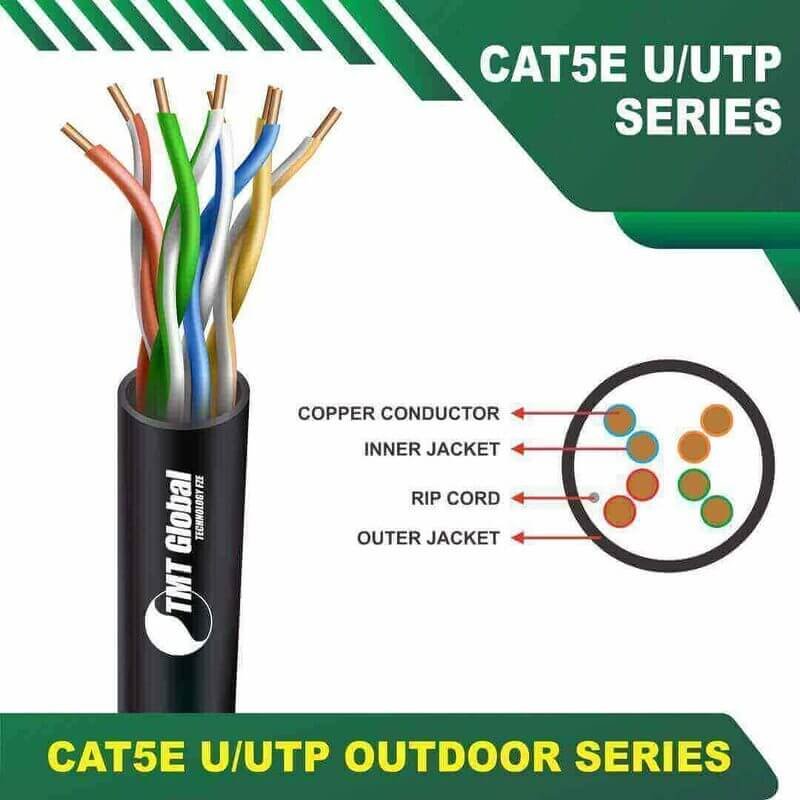
The environment in which the cables will operate can also influence the choice. If the cables are to be installed outdoors or in locations susceptible to electromagnetic interference, consider using Cat6a or shielded versions of the cables, which are better equipped to handle such conditions. Additionally, budget constraints are significant; while investing in higher-rated cables may incur higher upfront costs, they often deliver better performance and durability, which can offset the expense over time.
Finally, future-proofing is an essential consideration. As technology rapidly evolves, choosing a higher category cable allows for greater compatibility with future devices and upgrades. Opting for Cat6 or Cat6a cables can safeguard your network against forthcoming advancements, ensuring that your setup remains efficient and competitive in the long run.
Installation and Management Tips for Ethernet Cables
Proper installation and management of Ethernet cables play a crucial role in ensuring optimal network performance. To begin with, it is essential to select appropriate lengths for your cables. Long cables can lead to signal degradation, while excessively short cables may strain connections. In general, keeping the length under 328 feet (100 meters) for Cat5e and Cat6 cables is recommended to minimize performance issues. Using a cable management system will help keep cables organized and prevent tangling.
When installing Ethernet cables, consider the environment in which they will be used. Avoid running cables parallel to electrical wires to reduce the chance of electromagnetic interference (EMI). If you are running cables through walls or ceilings, use conduits to protect them from potential physical damage and external interference. Additionally, utilizing shielded cables, particularly in industrial settings or areas with heavy electrical equipment, can further help in maintaining signal integrity.
Another important factor is proper termination and connectorization of cables. Ensure that connectors are firmly attached and that the cable is stripped correctly to prevent any potential connectivity issues. It is advisable to use high-quality connectors and tools, such as crimpers and cable testers, to ensure a secure and reliable connection.
Regular maintenance of your Ethernet cables is just as vital. Periodically inspect cables for signs of wear or damage. If you notice that a cable is frayed or not working correctly, replace it promptly to prevent further issues. Keeping the cables tidy with Velcro straps or cable ties will not only improve aesthetics but also make it easier to identify and address any problems that may arise.
In conclusion, proper installation and management of Ethernet cables significantly contribute to a high-performing network. Following these tips will help ensure that your network operates efficiently and reliably.
Conclusion: The Future of Ethernet Connectivity
As technology continues to evolve, the understanding of Ethernet cables—specifically Cat5e, Cat6, and Cat6a—becomes increasingly vital for both individuals and businesses. Each category of Ethernet cable offers distinct performance specifications and advantages that cater to various network demands. Cat5e, with its basic capabilities, remains suitable for home networks with modest speed requirements; however, as digital demands grow, Cat6 has emerged as a more desirable option for those seeking higher speeds and reduced crosstalk. Meanwhile, the robust Cat6a offers superior performance for advanced applications, delivering greater bandwidth and supporting higher data transmission rates.
Beyond categorization, grasping the significance of these Ethernet cables can dramatically optimize network performance. As we transition into an era rich in data and always-on connectivity, the impact of choosing the right cable becomes profound. Organizations and individuals should be informed about the bandwidth needs and future-proof their networks by investing in the appropriate Ethernet infrastructure, ultimately ensuring their technology can adapt to ever-increasing demands.
Looking ahead, the trends in Ethernet technology are promising. The development of 10GBASE-T standards signifies a shift towards even higher speeds, addressing the exponential growth of devices connected to networks. Furthermore, the integration of Ethernet with advanced technologies such as Power over Ethernet (PoE) will likely become standard practice, facilitating not only data transmission but also power supply capabilities through a single cable.
In conclusion, a comprehensive understanding of Ethernet cables and their classifications lays the groundwork for effective network management in the present and future. Leveraging the right technology is essential to meet growing connectivity demands, positioning businesses and individuals for success amidst an evolving digital landscape.