
Understanding TMT Global: The Essentials of RJ45 Connectors and Cat6 Cables
Introduction to TMT Global and Network Connectivity
TMT Global stands at the forefront of the network connectivity industry, providing essential infrastructure solutions that cater to both businesses and residential environments. As the demand for high-speed internet and efficient communication systems continues to grow, TMT Global has established itself as a trusted provider of quality components that are vital for smooth and reliable network operations.RJ45 Connectors
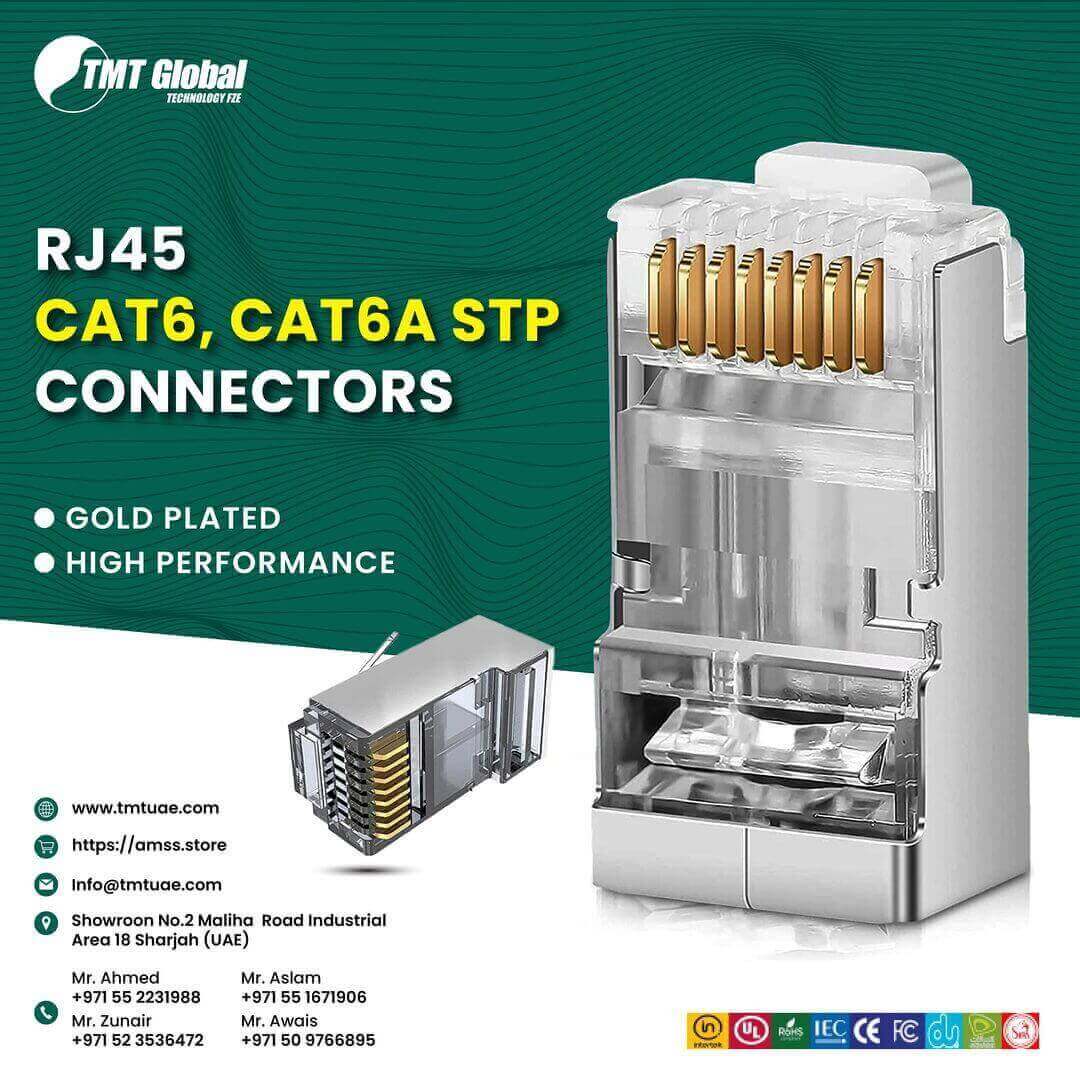
At the heart of modern network systems are RJ45 connectors and Cat6 cables. RJ45 connectors are an essential component of Ethernet networks, serving as the interface that connects various devices within a local area network (LAN). Their design ensures a secure and stable connection, allowing data to be transmitted efficiently across networks. Pairing these connectors with Cat6 cables further enhances performance, as Cat6 technology supports higher bandwidths and faster data rates compared to previous standards.
Understanding the significance of these components is crucial in establishing a robust network backbone. Whether for a small office or a large corporate environment, the integrity and performance of the networking system heavily rely on the quality of the materials used. This is where TMT Global excels, offering products that not only meet industry standards but also provide the longevity and reliability required by users today.
As organizations and individuals alike prioritize digital connectivity, the role of dependable network components like RJ45 connectors and Cat6 cables becomes even more imperative. TMT Global’s commitment to quality ensures that their offerings contribute effectively to creating efficient communication systems suitable for a myriad of applications.
What are RJ45 Connectors?
RJ45 connectors are an integral component in networking technology, primarily utilized for establishing Ethernet connections. These connectors serve as the interface for connecting various networking devices, such as computers, routers, and switches, to facilitate data communication over local area networks (LANs). The term “RJ45” stands for “Registered Jack 45,” which refers to its classification within a standardized series of connectors utilized in telecommunication and networking applications.
The structure of an RJ45 connector comprises eight metallic pins that connect to the individual wires within a typical Ethernet cable, specifically the Cat6 cables. This design allows for the transmission of data at high speeds, commonly reaching up to 1 Gbps, and is vital for modern networking needs. The arrangement and wiring of these pins follow specific standards, such as T568A and T568B, ensuring compatibility and optimal performance across devices. The connector is encased in a plastic housing that provides protection and facilitates ease of handling when plugging and unplugging devices.
The history of RJ45 connectors dates back to the early 1990s, coinciding with the development of Ethernet technology. As networking requirements evolved, the RJ45 became the predominant choice due to its reliable performance and standardized design. Over the years, enhancements in cable quality, like the introduction of Cat5 and later Cat6 cables, further optimized the efficiency of RJ45 connectors, ensuring they meet the demands of increasing data transfer rates and bandwidth.
Today, RJ45 connectors are ubiquitous in both commercial and residential networking environments, underpinning the connectivity that facilitates a myriad of applications, from simple internet access to complex data-driven services. Without the RJ45 connector, the modern digital landscape would be significantly hampered, highlighting its importance in the realm of networking technology.



The Evolution of Ethernet: From RJ45 to Cat6
The history of Ethernet technology dates back to the 1970s when the first specification was developed for local area networks (LANs) by Xerox. Initially, Ethernet utilized coaxial cable and offered transmission speeds of just 2.94 Mbps. Over the decades, rapid advancements in technology demanded the means for faster and more reliable networks. This necessity led to the introduction of RJ45 connectors, which became ubiquitous as Ethernet expanded through different standards.
The original RJ45 connectors were designed primarily for use with twisted pair cabling, which improved noise resilience and allowed for more effective signal transmission over longer distances. As network demands increased, new standards were developed, culminating in Enhanced Category 5 (Cat5e) cables, which could support speeds of up to 1 Gbps.
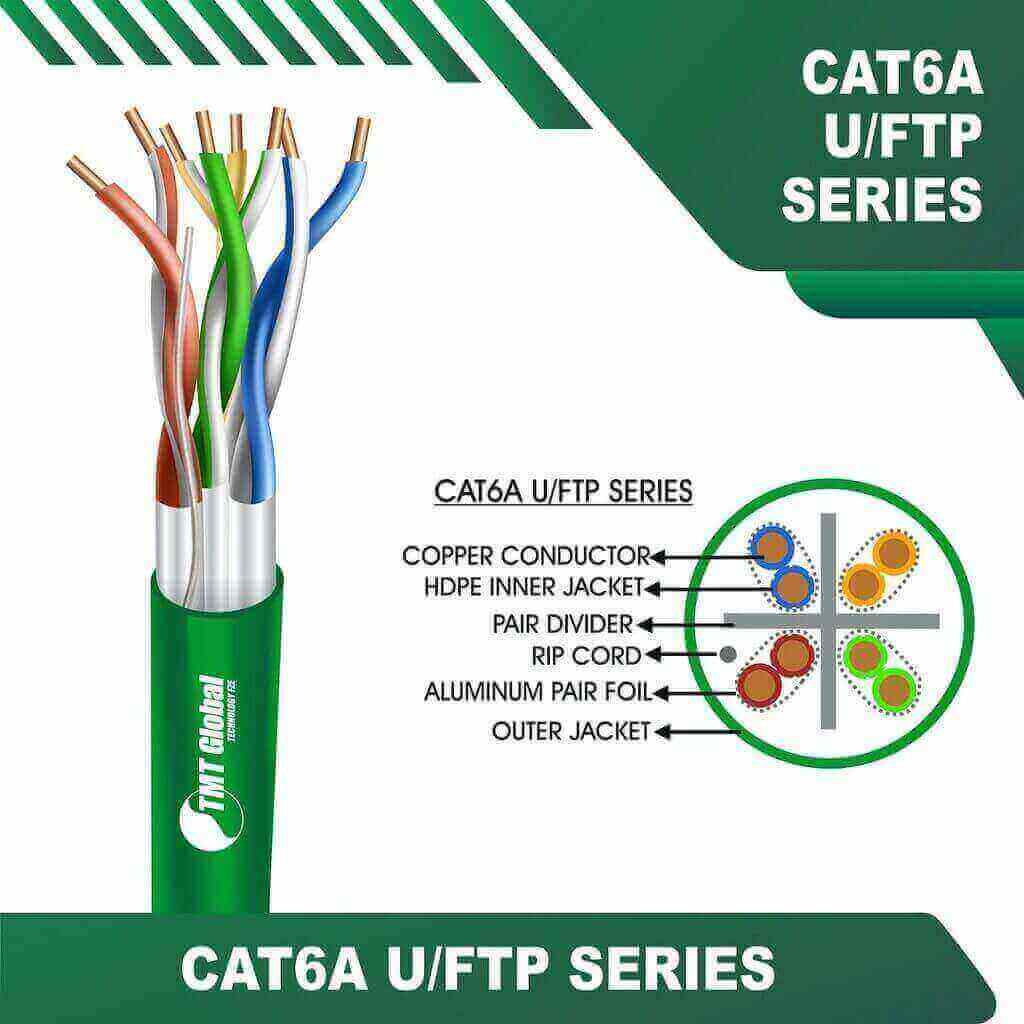
However, with the rise of bandwidth-intensive applications and the growth of the internet, even faster solutions were required. This demand birthed the development of Category 6 (Cat6) cables, which introduced significant improvements over their predecessors. Cat6 cables support data rates of up to 10 Gbps over shorter distances (up to 55 meters) and enhance overall performance by reducing crosstalk and improving the resistance to external interference.
The transition from earlier RJ45 standards to Cat6 reflects the technological advancements that have propelled Ethernet forward. New manufacturing standards and materials allowed for reduced attenuation, enabling networks to excel in speed and reliability. Furthermore, the rise of wireless technologies, cloud computing, and high-definition streaming continues to exert pressure on Ethernet technology to evolve. As such, the RJ45 connectors and Cat6 cables represent both the rich history and future potential of Ethernet networking.
Cat6 Connectors and Their Benefits
Cat6 connectors play a crucial role in modern networking systems, particularly when it comes to high-speed data transmission. These connectors, designed specifically for use with Category 6 cables, help facilitate improved performance, making them an evident choice for today’s technological demands.
At the heart of the Cat6 connector’s specification is its ability to support higher bandwidths compared to its predecessors, such as Cat5 and Cat5e. With a maximum bandwidth of 250 MHz, Cat6 cables can effectively handle data rates of up to 10 Gbps over shorter distances (up to 55 meters). This enhanced bandwidth is essential for applications requiring high data loads, such as online gaming, video conferencing, and large file transfers.
In addition to increased bandwidth, one of the most significant advantages of Cat6 connectors is their ability to reduce crosstalk. Crosstalk refers to the interference that occurs when multiple signals overlap, potentially degrading the quality of the transmitted data. Cat6 connectors feature improved insulation and a tighter twist in the copper pairs within the cable, which significantly minimizes crosstalk and enhances overall transmission quality.
Another benefit of using Cat6 connectors is their backward compatibility with previous cable generations. This feature allows for a seamless integration into existing network infrastructures, providing flexibility and future-proofing for various applications. Network installers and IT professionals appreciate this compatibility, as it allows them to upgrade their systems without needing a complete overhaul of their hardware.
Ultimately, the choice of Cat6 connectors aligns with the increasing need for reliable, high-speed network connectivity. With their advanced specifications and the benefits they offer, these connectors are an essential component for anyone looking to optimize their network performance in an increasingly data-driven world.
Understanding Waterproof Ethernet Connectors
Waterproof Ethernet connectors play a crucial role in ensuring reliable network connections in challenging environments. These specialized connectors are designed to withstand exposure to water, dust, and various environmental factors, making them essential for outdoor installations or locations prone to humidity and moisture. The materials and designs used in waterproof Ethernet connectors set them apart from standard connectors, enhancing their durability and performance.
Typically, waterproof Ethernet connectors utilize robust materials such as thermoplastic elastomers (TPE) and polycarbonate. These materials not only resist degradation from UV radiation but also maintain their integrity under extreme temperatures. Additionally, they provide a high degree of insulation, ensuring that electrical connections remain secure and free from corrosion. Some connectors feature an IP (Ingress Protection) rating, indicating their resistance to water and dust ingress, which is key to selecting the appropriate connector for specific applications.
The design of waterproof connectors includes features like locking mechanisms that prevent accidental disconnection, as well as sealing gaskets that inhibit water penetration. This design is particularly important in scenarios where connectivity is vital, such as outdoor surveillance systems, industrial automation applications, and marine environments. Notably, waterproof Ethernet connectors are not only limited to RJ45 types; they are available in various forms that accommodate different cable types, ensuring compatibility across diverse network setups.
In addition to increased durability, proper use of waterproof Ethernet connectors minimizes the risk of network failures caused by environmental factors. Employing these connectors in relevant installations contributes to a stable and effective network performance, demonstrating their importance in both residential and commercial applications.
The Role of RJ45 Network Cables in Connectivity
RJ45 network cables play a crucial role in establishing and maintaining stable connectivity within networking systems. These cables, commonly used in local area networks (LANs), are designed to connect computers, routers, switches, and other devices, thereby facilitating efficient data transmission. RJ45 connectors can accommodate various types of twisted pair cables, with the most prevalent being Cat5e, Cat6, and beyond. Each type varies in terms of speed capabilities and bandwidth.
The specifications of RJ45 connectors are optimized for high-speed data transmission. Typically, an RJ45 connector consists of eight pins that make contact with the wires inside an Ethernet cable, enabling the transfer of data. The arrangement of these pins, as well as the category of the cable, categorizes the network’s performance and data transmission rates. For example, a Cat6 cable connected with an RJ45 connector can support speeds up to 10 Gbps over a distance of 55 meters, making it highly suitable for demanding applications such as video streaming and online gaming.
Utilizing RJ45 network cables offers several benefits, particularly in enhancing stability and performance in data networks. High-quality RJ45 cables reduce latency, minimize crosstalk, and ensure high signal integrity, which is imperative for proper functionality in today’s data-centric environments. This is especially relevant given the increasing reliance on cloud services and bandwidth-intensive applications. Furthermore, RJ45 network cables are relatively easy to install and maintain, making them an accessible solution for both individual users and large organizations.
In summary, RJ45 network cables are fundamental components in modern networking systems, providing essential connectivity solutions that accommodate various demands. Their specifications and types cater to progressive technological advancements, supporting the seamless operation of devices and networks alike.
How to Choose the Right RJ45 Connector and Cat6 Cable
Selecting the appropriate RJ45 connector and Cat6 cable for your networking needs requires careful consideration of several factors. Compatibility is paramount; ensure that the RJ45 connector you choose matches the number of wires in your Cat6 cable, which typically utilizes four twisted pairs. The standard wiring for Cat6 cables follows the T568A or T568B configurations, so verify that your connectors conform to one of these standards to guarantee seamless connectivity.
Installation requirements also play a crucial role in your selection process. Different environments may necessitate specialized connectors or cables. For example, in industrial settings, it may be beneficial to choose connectors that offer greater durability and resistance to environmental factors, such as moisture and dust. Additionally, consider the physical attributes of your installation site; if cables need to navigate tight spaces, slimmer connectors might be advantageous.
Performance considerations should not be overlooked when choosing your RJ45 connectors and Cat6 cables. Cat6 cables are designed to support higher data rates compared to earlier versions, such as Cat5e. However, the overall performance is highly dependent on both the quality of the cable and the connectors used. Ensure that both components are rated for at least 1 Gbps to fully utilize the capabilities of the Cat6 standard. Additionally, look for connectors with gold-plated contacts, which can provide better conductivity and reduce the likelihood of degradation over time.
Ultimately, taking the time to assess compatibility, installation requirements, and performance considerations will ensure you select the best RJ45 connector and Cat6 cable for your networking scenario. This preparation promotes efficient and reliable network configurations that meet the demands of modern communication systems.
Common Issues and Troubleshooting RJ45 Connectors and Cables
As users frequently rely on RJ45 connectors and Cat6 cables for networking, encountering issues is not uncommon. Several factors can contribute to the connectivity challenges that may arise. Understanding these common problems can aid in efficient troubleshooting and maintain optimal network performance.
One prevalent issue is the improper seating of RJ45 connectors in their ports. When connectors are not fully inserted, or if they are loose, this can lead to intermittent connectivity or complete signal loss. Ensuring that the connectors click securely into place is essential for reliable performance. Additionally, inspecting the connector and cable for any visible damage can help diagnose problems, as fraying or kinks in the cable can disrupt signal flow.
Another challenge users may face is the phenomenon of crosstalk, where signals from adjacent wires interfere with each other, potentially leading to reduced transmission speeds. Utilizing properly shielded Cat6 cables can mitigate this issue. When troubleshooting, it is beneficial to run diagnostics that test the cable’s integrity, allowing users to identify any crosstalk effectively.
Moreover, users should be aware of the maximum cable length for cat6 cables, which is generally 100 meters. Exceeding this may lead to a weakening of the signal and impact overall speed. This limitation is crucial for maintaining optimal performance, further emphasizing the importance of adhering to designated specifications.
Lastly, network configuration errors can lead to connectivity issues that sometimes can be mistaken for hardware faults. Checking network settings, IP configurations, and ensuring that devices are compatible can help solve these problems. By systematically addressing these common issues related to RJ45 connectors and Cat6 cables, users can enhance their networking experience and ensure smoother operation.
Future Trends in Networking Technology
The landscape of networking technology is rapidly evolving, and TMT Global, a key player in the field, is well-positioned to adapt and innovate. As demand for faster, more reliable connectivity increases, several trends are likely to shape the future of Ethernet connectivity and impact the capabilities offered by companies like TMT Global.
One significant trend is the ongoing development of higher-speed Ethernet standards. With the transition from Cat6 to Cat6a and Cat7 cables, there is a clear movement toward supporting 10 Gigabit Ethernet and beyond. This shift is prompting manufacturers to enhance RJ45 connectors, ensuring that they can handle increased speeds while maintaining signal integrity. TMT Global may invest in research and development to pioneer connectors that not only meet these new standards but also improve ease of installation and long-term reliability.
Another trend is the growing importance of Power over Ethernet (PoE), which allows devices to receive power and data through the same cable. As IoT devices proliferate across industries, PoE technology will become increasingly vital, facilitating the deployment of smart devices in homes, offices, and public spaces. TMT Global could explore advanced PoE solutions that cater to the power requirements of modern connected devices, streamlining installation processes for end-users.
The emergence of wireless technologies, such as Wi-Fi 6 and future advancements, also represents a potential paradigm shift in networking. The ability to provide high-speed internet without physical cables will complement traditional wired networks. However, TMT Global may seek to ensure that their Ethernet solutions continue to meet the needs of enterprises requiring stable and high-capacity wired connections amidst this wireless evolution.
Lastly, sustainability is becoming a critical consideration within the networking industry. As companies, including TMT Global, adapt to environmentally friendly practices, there may be a push towards using recyclable materials and energy-efficient production methods in their products. This commitment to sustainability could resonate well with consumers increasingly conscious of their ecological footprint.