
Understanding TMT Global Cat6A Cables: The Optimal Choice for High-Speed Networking
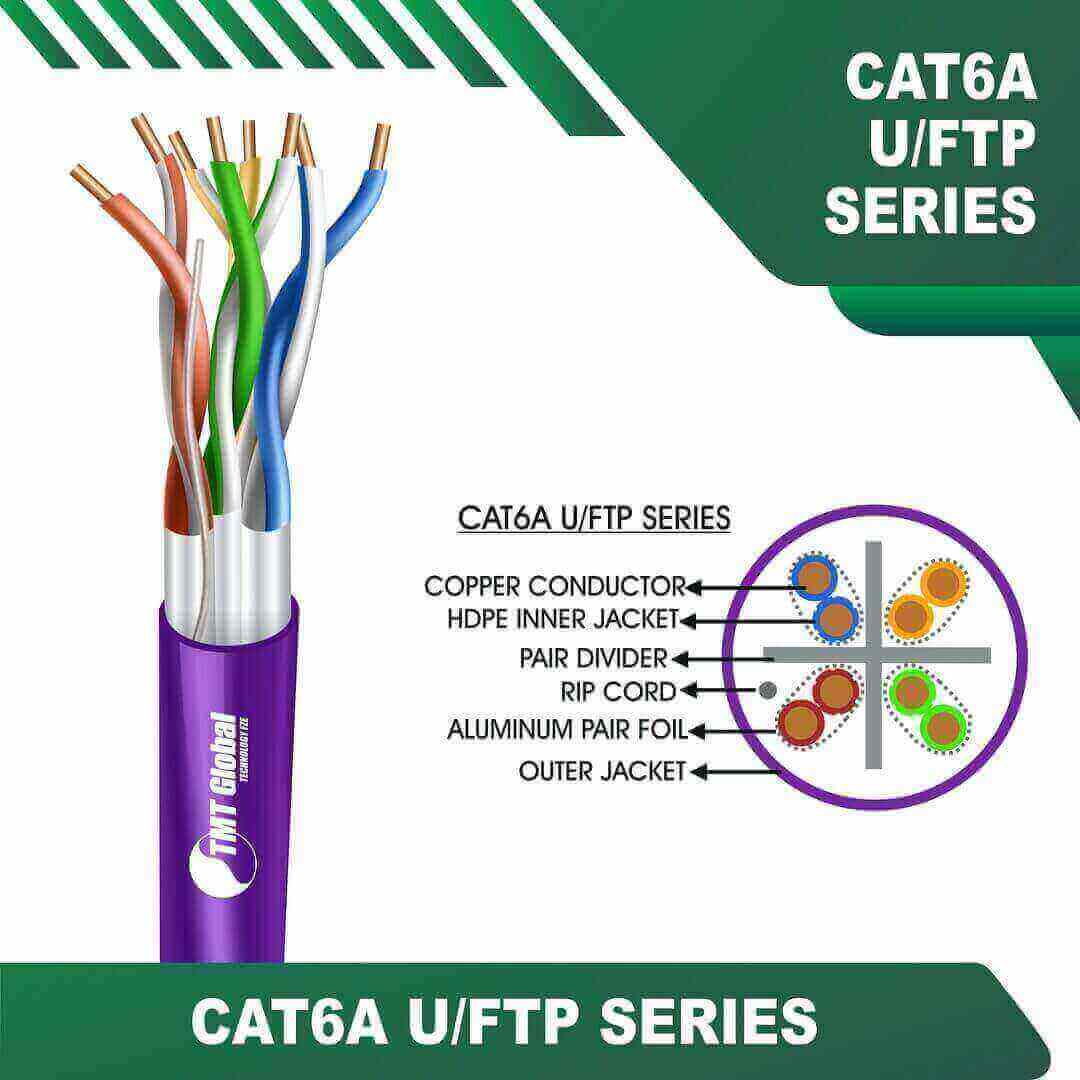
Introduction to Cat6A Cables
The evolution of networking technology has led to the development of various types of Ethernet cables, each designed to accommodate different transmission speeds and bandwidth requirements. Among these, Cat6A cables stand out as a superior choice for high-speed data transmission. Cat6A, short for Category 6 Augmented, is an advancement over its predecessor, Cat6, and offers enhanced performance features.
One of the primary distinctions of Cat6A cables is their ability to support data rates up to 10 Gbps over distances of up to 100 meters, making them ideal for modern applications that demand high bandwidth. This cable category also operates efficiently at frequencies of up to 500 MHz, which is significantly higher than the 250 MHz frequency of standard Cat6 cables. Such capabilities make Cat6A well-suited for data-intensive environments, such as data centers, corporate networks, and enterprise-level applications.
In addition to speed and frequency advantages, the design of Cat6A cables incorporates features that mitigate interference and crosstalk, common issues that can degrade signal quality. This optimization is achieved through tighter twisting of the pairs and the addition of shielding, which collectively enhance the cable’s performance compared to previous categories. Furthermore, these improvements in construction and shielding contribute to extended cable lengths, allowing for more flexible networking configurations without sacrificing signal integrity.
Overall, Cat6A cables are engineered to meet the increasing demands of high-speed networking, and they provide significant advantages over earlier Ethernet cable types. Whether for upgrading existing infrastructure or deploying new networks, choosing Cat6A cables can ensure greater reliability and performance in high-speed data transmission applications.
Technical Specifications of Cat6A Ethernet Cable
Cat6A Ethernet cables represent a significant advancement in network technology, offering exceptional performance and reliability for high-speed data transfer. One of the key specifications of Cat6A cables is their bandwidth capability, which can reach up to 500 MHz. This enhanced bandwidth allows the cable to support higher frequencies, facilitating faster data transmission and reducing the likelihood of crosstalk and interference.
In terms of data rates, Cat6A cables can accommodate maximum transmission speeds of up to 10 Gbps. This capability is crucial for applications that require substantial bandwidth, such as video conferencing, large data transfers, and online gaming. The ability to consistently deliver 10 Gbps over an extended distance makes Cat6A a suitable choice for modern networking needs.
Moreover, the maximum transmission distance of Cat6A cables is noteworthy, extending up to 100 meters. This length is sufficient for most networking environments, including office buildings and industrial settings, ensuring that users can rely on a stable connection without compromising speed. The durability and robustness of Cat6A cables also contribute to their effectiveness in handling demanding networking tasks.
When comparing Cat6A Ethernet cables to older versions like Cat5 and Cat6, the differences become clear. While Cat5 cables can support up to 100 MHz bandwidth and Cat6 up to 250 MHz, Cat6A cables’ superior specifications make them the optimal choice for high-speed networking, particularly in environments where future scalability and reliability are paramount. By understanding these technical specifications, users can make informed decisions when choosing networking solutions that meet their operational requirements.
Benefits of Choosing Cat6A Network Cable
When considering high-speed networking options, the choice of network cable plays a crucial role in achieving optimal performance. Cat6A network cables offer numerous advantages that cater to the demands of modern digital environments. One of the primary benefits is enhanced data transmission speeds. Capable of supporting speeds up to 10 Gbps, Cat6A cables are ideal for data-intensive applications such as video conferencing, online gaming, and data center operations.
Another significant advantage is the reduction of crosstalk. Crosstalk occurs when signals from adjacent cables interfere with one another, leading to degraded performance. Cat6A cables employ advanced design techniques that significantly minimize the potential for crosstalk, providing a more stable and reliable network connection. This improvement is particularly beneficial in multi-user environments, such as offices and educational institutions, where multiple devices operate simultaneously.
Furthermore, Cat6A cables demonstrate superior performance in high-interference settings. In scenarios where equipment generates electromagnetic interference, such as in industrial environments or densely populated networks, Cat6A cables can maintain integrity and performance thanks to their enhanced shielding. This feature ensures uninterrupted connectivity, essential for maintaining productivity and operational efficiency.
The versatility of Cat6A cables also allows them to be suitable for both indoor and outdoor applications. Their robust construction and resistance to environmental factors make them an excellent choice for outdoor installations where exposure to weather conditions is a concern. Whether deployed in a business premises or an external network setup, Cat6A cables provide a reliable solution for seamless connectivity.
In conclusion, the adoption of Cat6A network cables brings forth enhanced speed, reduced crosstalk, improved performance in high-interference environments, and a flexibility that meets various installation requirements. These attributes make them an optimal choice for high-speed networking solutions in today’s technology-driven world.
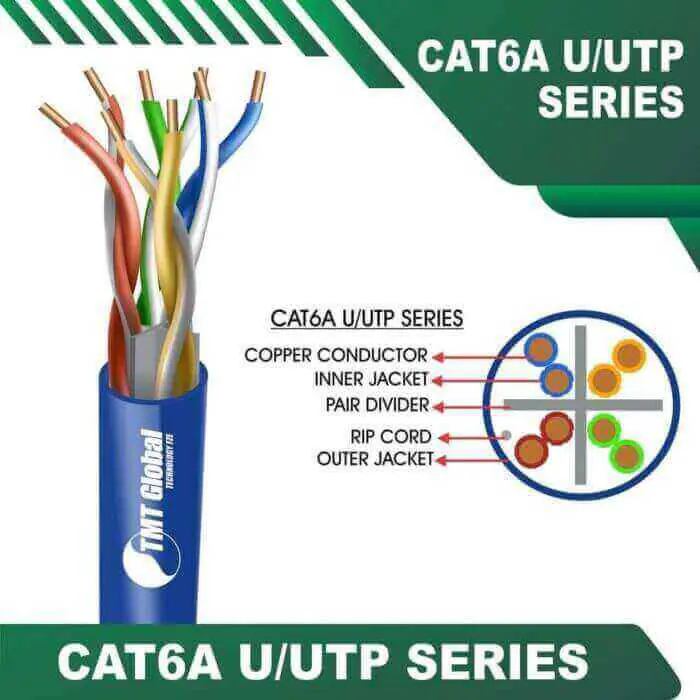

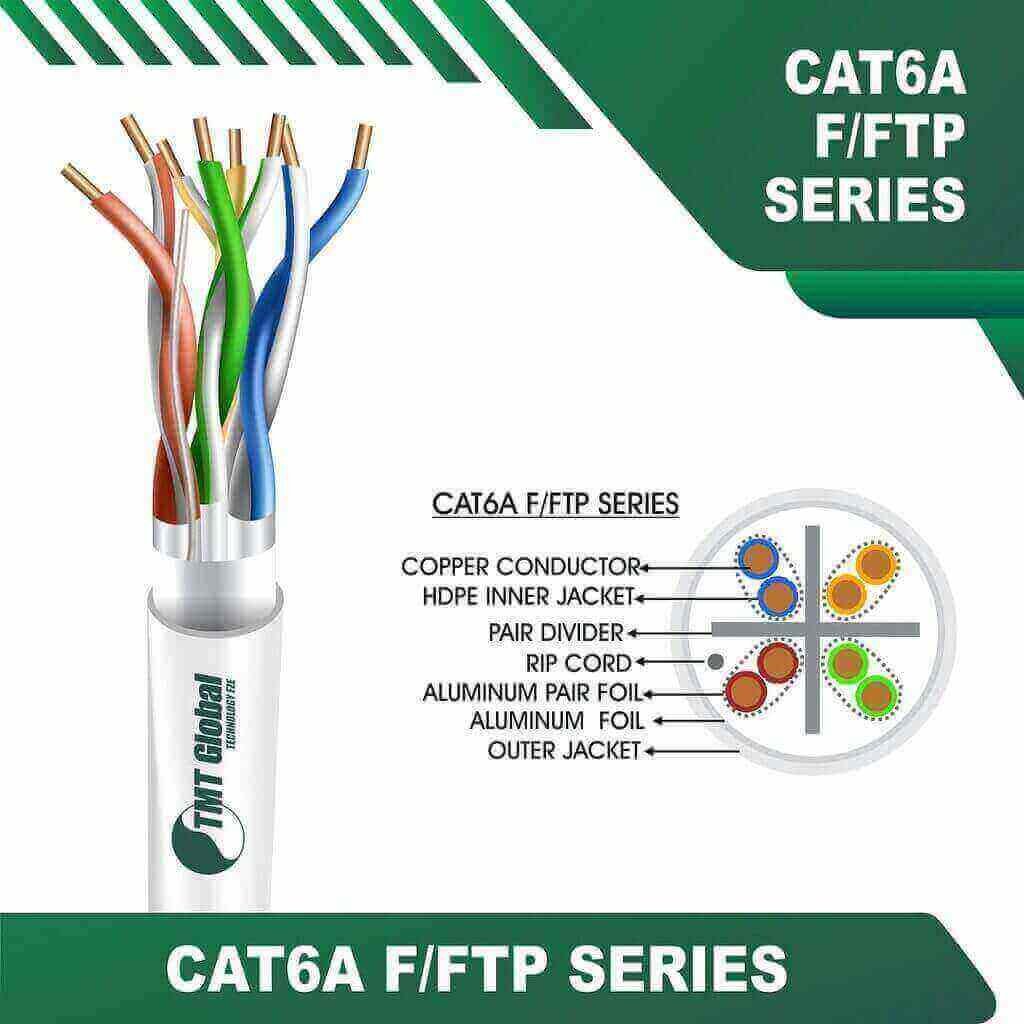
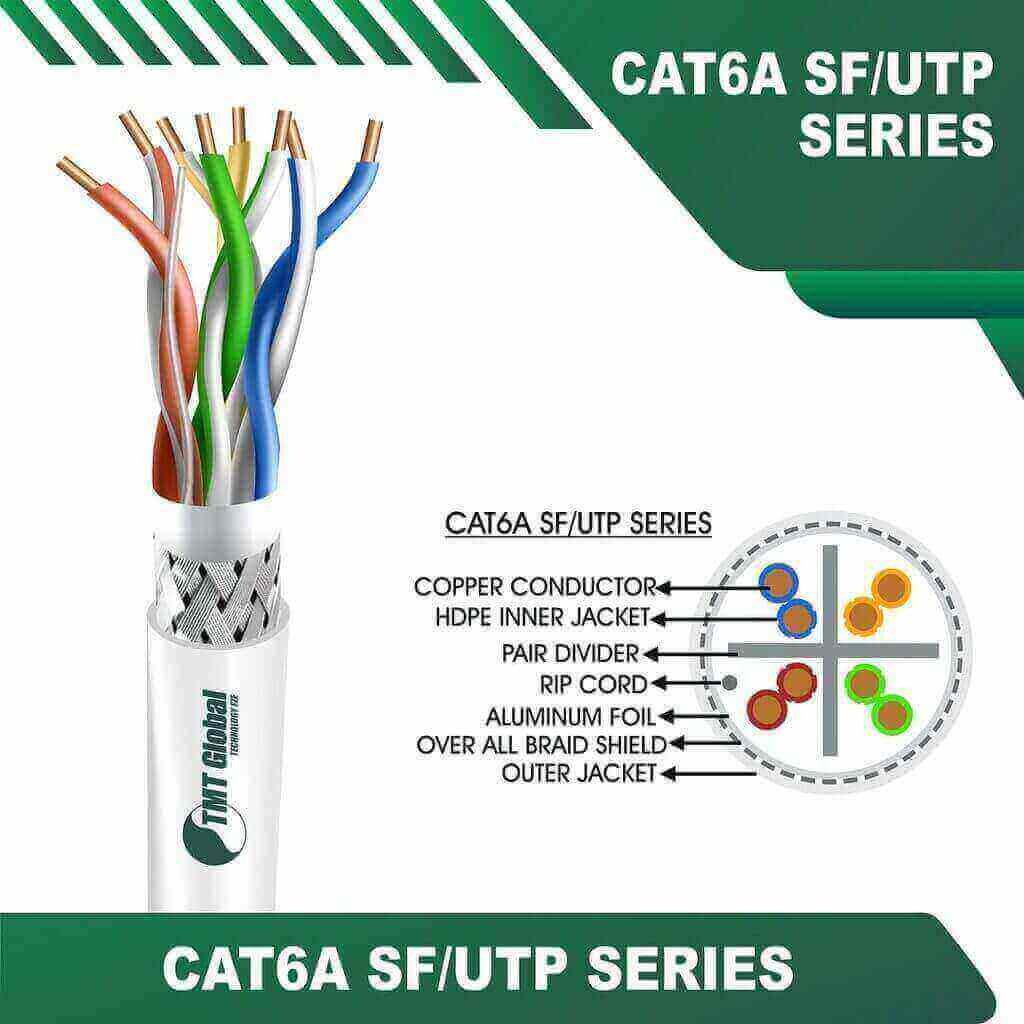
Choosing Cat6A Outdoor Cable: What to Look For
When selecting Cat6A outdoor cables, it is crucial to take into account several key factors to ensure optimal performance and longevity. The primary consideration is weather resistance. Outdoor cables should be designed to withstand extreme temperatures, precipitation, and varying environmental conditions. Ensure that the cables you choose have been specifically rated for outdoor use; these cables utilize materials that prevent water ingress and resist corrosion, which is vital for maintaining connectivity over time.
In addition to weather resistance, UV protection is another critical feature of Cat6A outdoor cables. Cables exposed to direct sunlight for prolonged periods must be shielded against ultraviolet radiation, which can cause degradation of the materials and lead to diminished signal quality. Look for cables with a UV-resistant jacket, as this will extend the lifespan of the cable in outdoor installations.
Moreover, the durability of the cable is essential. Outdoor cables often require a robust design that can endure physical stress, such as abrasion from wildlife, exposure to chemicals, or being buried underground. Check for enhanced materials, such as polyethylene (PE) or other rugged jackets, which offer superior durability and protection against various environmental hazards.
When installing Cat6A outdoor cables, proper placement is vital for maximizing performance. Avoid running cables in areas where they may encounter sharp objects or heavy foot traffic that could damage them. Instead, establish routes that minimize exposure to potential hazards. Additionally, use weatherproof connectors and enclosures to safeguard the cable ends and junctions from exposure to moisture and debris.
By checking these essential features – weather resistance, UV protection, and overall durability – as well as implementing careful installation practices, you can ensure your Cat6A outdoor cables will perform effectively and reliably in a wide range of outdoor applications.
Cat6A Patch Cables: Importance and Usage
Cat6A patch cables play a significant role in networking setups, providing vital connections that facilitate high-speed data transfer. Unlike regular cabling, patch cables are specifically designed for connecting various devices within a network, such as computers, routers, switches, and patch panels. Their unique construction allows for improved performance, ensuring that data is transmitted efficiently and without significant interference.
One of the key features of Cat6A patch cables is their ability to support higher frequencies and faster speeds, accommodating data rates of up to 10 Gbps over distances of up to 100 meters. This performance is particularly critical in environments where large amounts of data are transferred regularly, such as data centers and corporate offices. By utilizing Cat6A patch cables, networks can achieve optimal performance, minimizing latency and enhancing overall productivity.
Patch cables are typically shorter than standard Ethernet cables, which makes them ideal for organizing and tidying networking setups. This characteristic is crucial in both home and enterprise environments where space may be limited. The reduced length helps reduce signal degradation, ensuring that the advantages of the high-performance capabilities that Cat6A provides are maintained. Furthermore, they can effectively streamline cable management, reducing clutter and ensuring a more aesthetically pleasing workspace.
In home networking setups, Cat6A patch cables enable seamless streaming, gaming, and remote work experiences. In larger corporate environments, they facilitate robust communication between multiple devices, supporting essential applications and services. Overall, the importance of Cat6A patch cables cannot be overstated, as they significantly contribute to the reliability and speed of modern network communications.
Comparing Cat6A with Other Cable Categories
When considering network infrastructure, selecting the right cabling is crucial for ensuring optimal performance. The Cat6A cable stands out among other categories, such as Cat5E, Cat6, and Cat7, each designed for distinct applications and performance requirements. Understanding the differences can significantly influence your networking decisions.
Cat5E cables, which are an enhanced version of Cat5, support speeds of up to 1 Gbps and frequencies up to 100 MHz. While sufficient for basic internet usage, their limitations are apparent in bandwidth-heavy applications. In contrast, the Cat6 cable can transmit data at speeds of 10 Gbps for short distances, operating at a frequency of 250 MHz; however, its performance is optimal only up to 55 meters.
On the other hand, Cat6A cables take this capability a step further, supporting 10 Gbps speeds over longer distances, up to 100 meters, with a frequency of 500 MHz. This makes Cat6A ideal for advanced applications requiring significant bandwidth, such as streaming high-definition video or enterprise networking solutions.
When compared to Cat7 cables, which can handle speeds up to 10 Gbps as well, Cat6A offers a more cost-effective solution for many environments. Cat7 cables, with a maximum frequency of 600 MHz, utilize shielding that is better suited for industrial applications and have more stringent installation requirements. Therefore, while Cat7 can be more advanced technically, its added expenses and complexity may deter users seeking a straightforward installation for general high-speed networking.
Ultimately, the choice between these cable categories hinges on the specific requirements of the application, including speed, distance, and budget. Cat6A cables serve as a well-rounded solution, delivering superior performance without the higher costs associated with Cat7, making them an optimal choice for many users looking to enhance their networking capabilities.
Pricing Analysis of Cat6A Cables
When considering the acquisition of Cat6A cables, it is crucial to be aware of the price points that characterize this specific networking solution. The pricing of these cables can vary widely, influenced by several fundamental factors. One of the most significant aspects is the brand. Reputable manufacturers of Cat6A cables often command higher prices due to their commitment to quality, performance reliability, and warranty offers. Established brands provide consumers with peace of mind through extensive testing and adherence to industry standards.
Another critical factor influencing the price of Cat6A cables is the length. Cables typically come in various lengths, with longer cables often priced higher than their shorter counterparts. This pricing approach reflects the additional materials and manufacturing costs associated with extended lengths. For instance, while a 10-foot Cat6A cable may be reasonably priced, a 100-foot version will generally incur a higher price due to the greater amount of copper and insulation used.
Additional features also contribute significantly to the pricing structure of Cat6A cables. Cables equipped with features such as enhanced shielding, weather resistance, or specialized connectors can be more expensive than standard models. These characteristics can improve signal quality and durability, making them a worthwhile investment for users who demand high performance in challenging environments.
To effectively plan a budget for networking needs, potential buyers should consider these factors carefully. Conducting research on different brands, comparing prices for varying lengths, and assessing the necessity for additional features will ensure an informed purchasing decision. Understanding these elements will aid in selecting the optimal Cat6A cable that balances performance requirements with budgetary constraints.
Installation Tips for Cat6A Cables
When considering the installation of Cat6A cables, it is essential to adhere to best practices to ensure optimal performance and reliability. First, familiarize yourself with the required tools for installation. Key tools include a cable cutter, stripper, crimper, and a cable tester. These tools will facilitate the preparation of cables and the creation of reliable connections.
Before starting, plan your network layout meticulously. Identify the locations of the cables, considering factors such as distance between the network devices and the potential for interference from electrical sources. Aim to keep cable runs as short as possible while complying with the maximum length of 100 meters recommended for Cat6A cables. Properly managing bends and avoiding kinks in the cables can significantly minimize attenuation and crosstalk.
When stripping the cable, be cautious not to damage the internal conductors. It’s advisable to strip only as much insulation as necessary to maintain the integrity of the cable design. When terminating the ends, follow the T568A or T568B wiring scheme consistently across all connections. This is crucial for maintaining signal integrity and preventing network connectivity issues.
Throughout the installation process, prioritize safety. Ensure that the environment is free from electrical hazards and that all necessary safety equipment is utilized. Avoid routing cables near power lines or electronic devices, which could introduce interference. After completing the installation, testing each cable run with a cable tester is vital. This step verifies the integrity of the connections and identifies any potential issues that may affect network performance.
In summary, adhering to these installation tips not only streamlines the process but also ensures that your Cat6A cables deliver the high-speed performance they are designed for. Taking time during the installation phase can prevent future network complications and enhance overall efficiency.
Conclusion: Why Invest in TMT Global Cat6A Cables?
Choosing the right networking solution is crucial for anyone looking to establish a robust and efficient digital infrastructure. TMT Global Cat6A cables emerge as an optimal choice for both residential and business contexts due to their impressive performance capabilities. These cables are designed to cater to high-speed networking needs, ensuring that data transmission occurs seamlessly without any interruptions.
One of the standout benefits of TMT Global Cat6A cables is their ability to support higher bandwidths, which is essential in today’s data-driven environment. With a maximum bandwidth of up to 500 MHz, these cables enable more data to be transferred simultaneously, thus enhancing the overall speed and efficiency of networks. This feature is particularly beneficial for businesses that rely on cloud services, video conferencing, and large file transfers, where speed is of the essence.
In addition to speed, TMT Global Cat6A cables also offer superior shielding against interference, which is vital in densely wired settings. This shielding guarantees that the integrity of the data remains intact, promoting reliability in communication, which is a pivotal factor for any business. Furthermore, these cables are backward compatible, allowing users to utilize them with older network devices without compromising performance.
Investing in TMT Global Cat6A cables is a decision that pays off in the long run. By prioritizing high-quality networking solutions, individuals and organizations can future-proof their infrastructure. As technology continues to evolve and data demands increase, having a reliable network will undoubtedly be an asset. Therefore, understanding one’s unique networking needs and making an informed decision to invest in TMT Global Cat6A cables will ensure optimal performance and longevity of networking systems.